
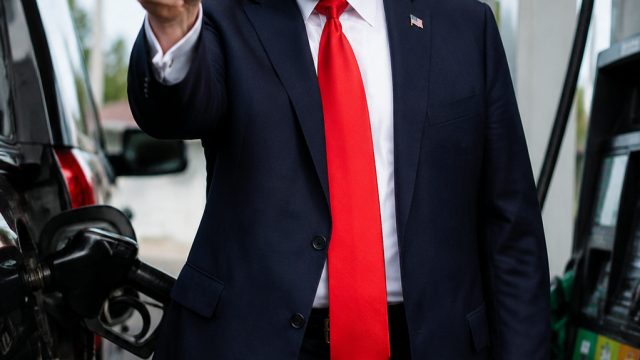
In a dramatic move that has caught the attention of both consumers and industry experts, President Donald Trump has directed the Department of Justice (DOJ) to conduct an investigation into the rising prices of gasoline across the United States. As gas prices continue to strain the budgets of everyday Americans, this announcement could have far-reaching implications for the automotive and fuel sectors.
The Current Gas Price Crisis
As of late 2023, consumers are grappling with significant increases in gas prices, leading to heightened frustration among many. Recent reports indicate that average gas prices have soared to levels not seen in years, prompting calls for action from both politicians and the public. The cost of fuel is a crucial factor affecting not only commuting expenses but also the broader economy, making this investigation particularly timely.
Reasons Behind Rising Fuel Costs
- Global Oil Market Dynamics: Fluctuating oil prices on the global market, influenced by geopolitical tensions and production cuts, have played a crucial role in driving up costs.
- Supply Chain Disruptions: Ongoing supply chain issues have affected fuel distribution, adding to the challenges faced by consumers and businesses alike.
- Increased Demand: As economies rebound from the pandemic, the surge in demand for transportation fuels has overwhelmed existing supply capacities, resulting in price hikes.
Trump's Response and Its Implications
In light of these escalating costs, Trump’s directive to the DOJ marks a significant step in addressing consumer grievances related to fuel prices. By investigating potential anti-competitive practices among oil companies, Trump aims to uncover whether there are unjustifiable price manipulations at play. This move has sparked a heated debate among political analysts and industry insiders alike.
Potential Outcomes of the Investigation
The implications of this investigation could be profound:
- Increased Transparency: A thorough inquiry could lead to greater transparency in how fuel prices are set, allowing consumers to make more informed decisions.
- Policy Changes: Findings from the investigation may prompt new regulations aimed at preventing price gouging and promoting fair competition in the fuel market.
- Impact on the Automotive Industry: As fuel prices directly affect consumer behavior, any changes resulting from this probe could significantly influence vehicle sales and the type of vehicles consumers choose.
The Consumer Perspective
For consumers, the rising gas prices are not just a financial burden but also a source of anxiety, particularly as the holiday season approaches. Families are concerned about how these costs will affect their travel plans and overall spending. The investigation may offer a glimmer of hope for relief if it leads to meaningful changes in the market.
What Consumers Can Do
As the investigation unfolds, consumers can take proactive steps to manage their fuel expenditures:
- Stay Informed: Keep track of local gas prices and trends to find the best deals. Various apps and websites can help compare prices in your area.
- Consider Alternative Transportation: If feasible, explore carpooling options, public transport, or biking to reduce reliance on gas.
- Maintain Your Vehicle: Regular maintenance can improve fuel efficiency, helping to offset rising gas prices.
Conclusion: A Critical Moment for Consumers and Industry
As President Trump's investigation into gas prices unfolds, it highlights a pivotal moment for both consumers and the automotive sector. With rising prices impacting households and the economy at large, the outcome of this inquiry could redefine relationships between consumers and fuel suppliers. For now, staying informed and adapting to the changing landscape will be crucial for navigating these challenging times.
