
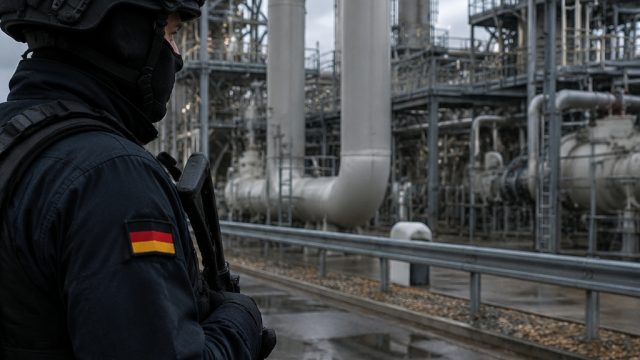
In a significant move to fortify its energy security, Germany has engaged in a series of raids focused on a suspected sabotage attempt linked to the former Gazprom unit. This investigation reflects the nation's increasing vigilance towards potential threats to its energy infrastructure. With ongoing geopolitical tensions, the implications of these developments cannot be overstated.
The Context Behind the Raids
The raids conducted by German prosecutors stem from growing concerns regarding the stability of energy supplies in the wake of rising tensions between Russia and European nations. The energy landscape in Europe has dramatically shifted in recent years, especially after the onset of the Ukraine conflict. Germany, which heavily relied on Russian gas, is now faced with the daunting task of ensuring its energy independence while safeguarding its critical infrastructure against sabotage.
What Prompted the Investigation?
- Increased Energy Vulnerability: Following the Ukraine conflict, European countries became aware of their energy dependencies and vulnerabilities.
- Geopolitical Dynamics: The situation surrounding Gazprom, a state-controlled Russian gas company, has raised red flags among EU governments.
- Public Safety and Security: The importance of ensuring the security of energy supplies has never been more paramount, leading to rigorous investigative measures.
Details of the Raids
On Wednesday, law enforcement agents executed coordinated raids on various sites believed to be connected with the sabotage plot. These actions were part of a broader strategy to dismantle networks that could threaten energy supply lines. The raids have drawn attention not only for their scale but also for the targeted approach in identifying key players involved in the alleged sabotage.
Key Outcomes from the Raids
- Seizure of Evidence: Authorities reported the confiscation of materials that may provide insight into the planned sabotage.
- Arrests Made: Several individuals connected to the investigation have been detained, paving the way for deeper inquiries.
- Heightened Security Measures: The raids have prompted discussions on enhancing security protocols surrounding energy infrastructure.
The Broader Implications for Energy Policy
The actions taken by German authorities illustrate a pivotal moment in energy policy and national security strategy. As countries reassess their energy dependencies, the focus is shifting from procurement to proactive safeguarding of resources. For Germany, these raids are not just about immediate threats but reflect a long-term commitment to fortifying its energy supply chains.
Potential Impact on Energy Prices
As investigations continue, market analysts predict that any disruptions in energy supplies could lead to fluctuations in energy prices. With high stakes involved, consumers and businesses alike are closely monitoring developments. Stability in energy prices is essential for economic growth, and any perceived risks can lead to immediate market reactions.
Future of Energy Security in Germany
Germany is at a crossroads where policy decisions will shape the future of its energy security. The current investigation and subsequent actions taken illustrate the government's resolve to protect its energy infrastructure from external threats. As new energy sources are explored and traditional dependencies are reevaluated, it is clear that this is just the beginning of a comprehensive strategy towards energy independence.
Conclusion: A Call for Vigilance
The recent raids in Germany underscore the importance of vigilance in safeguarding national energy security. With geopolitical tensions on the rise, the potential for sabotage and disruption remains a pressing concern. As Germany navigates this complex landscape, other nations may look to its proactive measures as a model for strengthening their own energy security frameworks. Keeping a close eye on these developments will be essential for stakeholders across the spectrum.
