
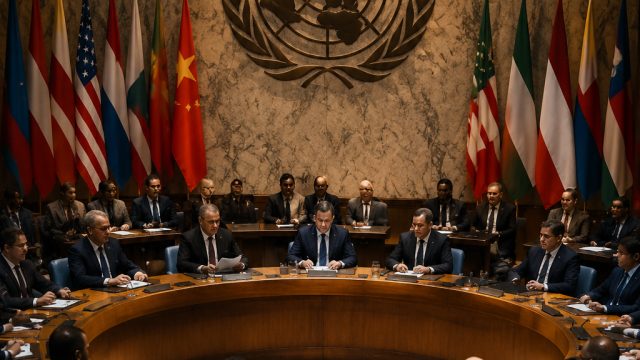
In a significant development in international diplomacy, the head of the United Nations nuclear agency has announced that inspectors will return to Iran's nuclear sites as part of a U.S.-brokered agreement. This news has far-reaching implications for global security and diplomatic relations, especially considering the ongoing tensions surrounding Iran's nuclear program.
The Context of Nuclear Inspections
The international community has been closely monitoring Iran's nuclear activities for years, especially following the U.S. withdrawal from the Joint Comprehensive Plan of Action (JCPOA) in 2018. The recent announcement indicates a potential thaw in relations and a renewed commitment to verifying Iran's nuclear capabilities.
What Does the Agreement Entail?
The agreement allows U.N. inspectors to visit Iran's nuclear facilities to assess compliance with international standards. The specifics of the inspection process include:
- Regular inspections of nuclear sites
- Monitoring of uranium enrichment levels
- Access to previously restricted areas
This move is seen as a critical step toward restoring trust between Iran and other world powers, particularly the United States, which has had a tumultuous relationship with Tehran in recent years.
Current Diplomatic Climate
The announcement comes amidst a backdrop of fluctuating diplomatic relations. With various leaders weighing in on the situation, it is clear that the international community is divided on how to approach Iran's nuclear ambitions. Former U.S. President Trump has repeatedly claimed that Iran had made concessions, a statement that Iran firmly disputes.
Why This Matters Now
As geopolitical tensions rise, the return of U.N. inspectors is more than just a procedural measure; it symbolizes a potential shift in diplomatic strategies. Here’s why this is crucial:
- Global Security: The stability of the Middle East is at stake, and any escalation could have global repercussions.
- Diplomatic Relations: Building trust through transparency can pave the way for future negotiations.
- Impact on Energy Markets: Uncertainties in Iran's nuclear program can affect global oil prices.
Looking Ahead
The prospects for a peaceful resolution to the nuclear issue depend largely on the success of these inspections. If Iran complies with the U.N. regulations and allows transparent access to its facilities, it could lead to the lifting of certain economic sanctions that have crippled its economy.
The Broader Implications
The return of inspectors may also set a precedent for how the international community addresses nuclear non-proliferation in the future. Other nations watching Iran’s situation closely may be influenced by the outcomes of this inspection period. The diplomatic playbook may adjust based on the findings, potentially altering the course of international relations in significant ways.
Conclusion
The imminent return of U.N. nuclear inspectors to Iran’s facilities marks a turning point in the ongoing dialogue surrounding Iran's nuclear ambitions. As global leaders react and reassess their strategies, the importance of transparency and diplomacy cannot be overstated. While challenges remain, this move brings hope for a more stable and cooperative international environment regarding nuclear oversight.
