
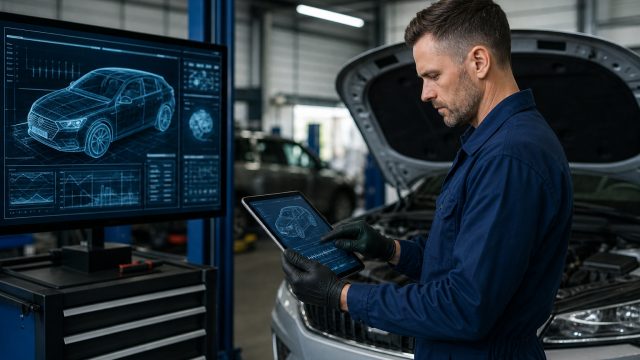
As the automotive industry rapidly evolves, the integration of artificial intelligence (AI) is becoming more crucial than ever. With the recent influx of advanced AI protocols, automotive service centers are positioned to significantly enhance their operational reliability and efficiency. This transformation is not just a matter of convenience—it's a matter of necessity in a competitive landscape.
The Current State of Automotive Service
Automotive service centers face numerous challenges, from managing customer expectations to keeping up with the latest technological advancements. Traditional methods often lead to inefficiencies and inconsistencies in service delivery. However, the adoption of AI-driven protocols can streamline operations, offering precise diagnostics, predictive maintenance, and improved customer interactions.
Understanding AI Protocols in Automotive Context
AI protocols refer to structured methods and frameworks that enable machines to learn from data and make informed decisions. In the context of automotive services, this includes:
- Predictive Maintenance: AI algorithms analyze data from vehicle sensors to predict potential issues before they arise.
- Automated Diagnostics: Advanced AI systems can quickly diagnose vehicle problems based on historical data and symptoms.
- Customer Interaction: AI chatbots and virtual assistants provide 24/7 support, enhancing customer experience.
Why This Transformation Matters Now
The automotive industry is at a pivotal moment. As consumer expectations rise, service centers must find innovative ways to meet demand while maintaining high standards. Here are some compelling reasons why AI integration is critical:
1. Enhanced Reliability
Incorporating robust AI protocols significantly reduces error rates in service delivery. Through structured data analysis and processing, these systems minimize occurrences of misdiagnosis and unnecessary repairs, fostering trust and reliability with customers.
2. Increased Efficiency
AI solutions automate routine tasks, enabling technicians to focus on more complex repairs. This not only speeds up service times but also optimizes labor resources, allowing centers to serve more customers effectively.
3. Better Customer Insights
Utilizing AI tools provides service centers with valuable insights into customer preferences and behaviors. This data aids in tailoring services and marketing strategies to better meet customer needs, enhancing overall satisfaction and loyalty.
Real-World Implications of AI Adoption
Several automotive service providers across the globe are already beginning to see the benefits of implementing AI protocols. For instance, major brands are incorporating these technologies to improve operational efficiency and customer interaction. Here’s what this looks like in the real world:
Case Studies
1. Predictive Maintenance Success: A leading service center in the U.S. adopted an AI-driven predictive maintenance system, which resulted in a 30% reduction in emergency repairs over six months. Customers appreciated the proactive communication about potential issues, leading to increased trust in the brand.
2. Efficiency Gains: A European automotive chain implemented AI diagnostics tools that cut down service times by 40%. This allowed them to handle a larger volume of customers without compromising quality.
Challenges Ahead
Despite the promising outlook, the transition to AI protocols is not without its challenges. Key issues include:
- Data Security: Protecting sensitive customer and vehicle data is paramount as AI systems rely on extensive data collection.
- Training Staff: Technicians need proper training to work alongside AI tools effectively.
- Cost of Implementation: Initial investments in AI technology can be high, deterring some service providers.
Conclusion: Embracing the Future of Automotive Services
As we progress into an era defined by technological advancements, automotive service providers must embrace AI protocols to stay competitive. The benefits of enhanced reliability, increased efficiency, and better customer insights are undeniable. By investing in these advanced technologies now, service centers not only position themselves for success but also significantly enhance the customer experience. The question remains—are you ready to embrace the future of automotive care?
