
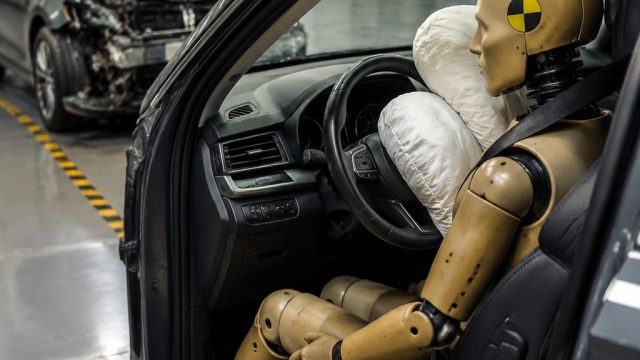
In an eye-opening demonstration, the safety advancements in automotive design over the past 30 years were highlighted through a crash test involving a 1996 Chevrolet Blazer and its modern counterpart, the MY2026 model. This event showcased not only the evolution of safety standards but also underscored the importance of continual innovation in vehicle design.
Understanding the Shift in Vehicle Safety Standards
Since the mid-1990s, the automotive industry has made significant strides in enhancing vehicle safety. The 1996 Chevrolet Blazer, once a popular SUV, reflected different safety priorities and design philosophies of its time. Comparatively, modern vehicles are equipped with advanced technologies aimed at increasing occupant protection and reducing the risk of injury.
Key Improvements in Vehicle Design
- Airbag Systems: Vehicles today often come with multiple airbags that deploy in various scenarios, providing greater protection than the single frontal airbags common in older models.
- Crash Test Ratings: Modern vehicles undergo rigorous testing, earning ratings based on their crashworthiness and the effectiveness of safety features.
- Structural Integrity: Innovations in materials and design lead to stronger vehicle structures capable of absorbing impact forces more effectively.
- Electronic Stability Control: This technology helps drivers maintain control during sudden maneuvers, significantly reducing the likelihood of rollovers.
Implications for Consumers and the Automotive Industry
For consumers, understanding these advancements is crucial when considering vehicle purchases. The improved safety features in modern cars not only enhance personal safety but can also decrease insurance costs and improve resale value. Additionally, these innovations reflect a broader commitment within the automotive industry to prioritize safety in design and engineering.
The Role of Regulations and Testing Bodies
Government regulations and independent safety organizations have played a pivotal role in shaping vehicle safety standards. With mandatory crash test protocols, manufacturers must adhere to stricter guidelines that ensure consumer safety. These regulations encourage continuous improvement and innovation, leading to the development of safer vehicles year after year.
Real-World Impact of Enhanced Safety Features
Statistics reveal a marked decrease in fatalities and serious injuries in accidents involving modern vehicles compared to older models like the 1996 Chevrolet Blazer. This reduction is a direct result of improvements such as:
- Advanced Driver Assistance Systems (ADAS): Features like lane-keeping assist and automatic emergency braking help prevent accidents before they occur.
- Collision Avoidance Technologies: With innovations such as blind-spot monitoring and adaptive cruise control, drivers are alerted to potential hazards.
By understanding these technologies, consumers can make informed decisions that enhance their safety on the road.
Conclusion: The Future of Vehicle Safety
The demonstration of a 1996 Chevrolet Blazer colliding with a modern vehicle serves as a stark reminder of how far vehicle safety has come. As technology continues to evolve, future innovations will likely focus on autonomous driving and further improvements in structural integrity and driver assistance systems. For drivers, this evolution promises not only safer vehicles but also a more secure driving experience.
As we look ahead, it's vital for consumers to stay informed about the ongoing advancements in automotive safety. Whether you're considering a new vehicle or simply keeping your current car in top shape, understanding these improvements will help you appreciate the technology that keeps you safe on the road.
