
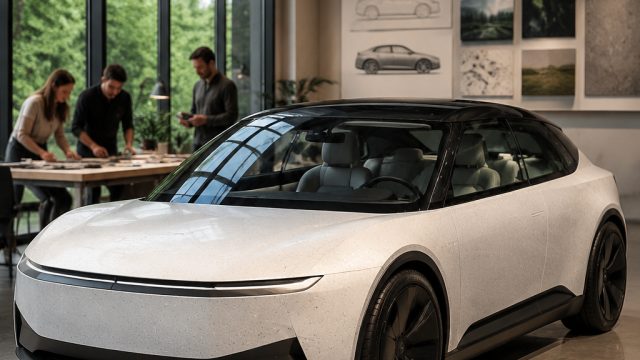
In a bold move towards sustainability, Jaguar Land Rover (JLR) has announced the development of an innovative circular concept car in collaboration with its suppliers. As the automotive industry increasingly prioritizes eco-friendly practices, this initiative is critical, especially in light of the growing climate crisis. The new concept aims to significantly reduce the carbon footprint associated with vehicle production and lifecycle, making it a timely advancement in sustainable automotive technology.
Why the Circular Concept Matters Now
The urgency for sustainable automotive solutions cannot be overstated. With global temperatures on the rise and increased regulatory pressures on emissions, JLR’s circular concept car represents a proactive approach to addressing these challenges. By co-developing this vehicle with suppliers, JLR is not only enhancing its own sustainability efforts but also encouraging a collaborative approach within the industry.
Understanding the Circular Economy in Automotive Design
The circular economy is a model aimed at eliminating waste by promoting the continual use of resources. In automotive design, this translates to using recyclable materials, reducing energy consumption during manufacturing, and designing vehicles that can be easily dismantled at the end of their life cycle. JLR’s initiative seeks to embody these principles, ensuring that every aspect of the vehicle is considered for sustainability.
The Role of Suppliers in Sustainable Innovation
JLR's collaboration with suppliers is a key element of the circular concept car's development. By leveraging the expertise and innovations of various partners, JLR is enhancing its capability to produce vehicles that align with sustainability goals. This teamwork not only helps in reducing environmental impact but also fosters innovation across the supply chain.
Key Advantages of Supplier Collaboration
- Resource Efficiency: Leveraging shared knowledge and resources leads to more efficient manufacturing processes.
- Material Innovation: Suppliers can provide sustainable materials that decrease reliance on virgin resources.
- Reduced Carbon Emissions: Collaborative efforts can lead to lower overall emissions during production.
Impact on the Future of Automotive Manufacturing
The introduction of JLR's circular concept car could set a new standard for automotive manufacturing. The company's commitment to sustainability is poised to influence other manufacturers to adopt similar practices, potentially leading to a widespread shift in industry norms. This initiative is not just about creating a single vehicle; it’s about instigating a broader movement towards sustainable automotive practices.
Broader Implications for Consumers and the Environment
The shift towards a circular economy in the automotive sector has significant implications for consumers. As more manufacturers adopt these practices, we can expect:
- More Eco-Friendly Choices: Increased availability of sustainable vehicles will empower consumers to make greener choices.
- Awareness and Education: Consumers will become more educated on the importance of sustainability in their purchasing decisions.
- Potential Cost Savings: As sustainable materials and practices become mainstream, the overall cost of vehicles may decrease.
Conclusion: A Step Towards a Greener Automotive Future
JLR’s circular concept car is a groundbreaking initiative that not only highlights the importance of sustainability in automotive design but also emphasizes the need for collaboration within the industry. As consumers become more aware of their choices and manufacturers respond to environmental demands, the future of the automotive industry looks promisingly green. This timely innovation is a reminder of the role that each player, from manufacturers to suppliers, has in creating a sustainable future for all.
