
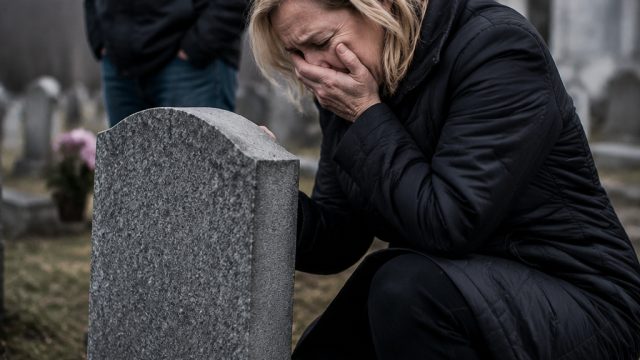
In a shocking case that has left many families devastated, a Pennsylvania man has admitted to running a fraudulent headstone business that scammed over 500 grieving families out of more than $1.7 million. This story is a stark reminder of the vulnerabilities families face during their most challenging times and highlights the urgent need for awareness in the memorial services industry.
The Unfolding of the Scam
Gregory J. Stefan Jr., 50, confessed to orchestrating a scheme that exploited the grief of families mourning their loved ones. The fraud involved taking payments for headstones that were never delivered. Among the victims was a South Jersey mother who had ordered a memorial for her murdered son but never received it. Such deceit during a time of mourning has left an indelible mark on the affected families.
A Pattern of Deceit
Stefan operated multiple businesses under the guise of providing quality memorials, taking advantage of the emotional distress families were enduring. The scam spanned several years, leading to a significant number of complaints from customers who were left without the memorials they paid for.
The Legal Consequences
Following an extensive investigation, federal prosecutors charged Stefan with several counts of wire fraud. As part of his plea agreement, he faces a staggering 152 years in prison, reflecting the severity of his actions and the impact on his victims. The case sheds light on the crucial need for legal safeguards and accountability in industries that deal directly with families in their most vulnerable moments.
Understanding the Impact
The repercussions of such fraud extend far beyond financial loss. The emotional toll on families who were seeking closure through memorials is profound. Many families now grapple with the loss of not only their loved ones but also the promise of a cherished memorial that would honor their memory. This situation underscores the importance of trust in the memorial services sector and calls for a review of business practices in this sensitive field.
Preventing Future Scams
As communities come together to support the victims, there are essential steps that families can take to protect themselves from potential scams in the memorial services industry:
- Research Providers: Always check the reviews and ratings of memorial service providers before making any commitments.
- Request Written Estimates: Ensure all agreements are documented in writing, including costs and delivery timelines.
- Seek Recommendations: Ask friends, family, or local funeral homes for trusted memorial service providers.
- Be Wary of Unsolicited Offers: Be cautious of companies that approach you with offers, especially during times of grief.
The Role of Legislation
This incident has sparked conversations about potential legislative measures to protect consumers in the memorial services industry. Advocates argue that stricter regulations could help prevent future scams and ensure that families receive the services they pay for. Increased transparency and accountability are crucial in restoring trust among consumers.
Final Thoughts
The case against Gregory J. Stefan Jr. serves as a grim reminder of how vulnerable families can be during their most difficult times. As authorities continue to investigate and prosecute fraudulent activities, it is essential for consumers to remain vigilant. By educating ourselves and advocating for stronger regulations, we can work towards a future where such scams are eradicated, allowing families to honor their loved ones with dignity and respect.
