
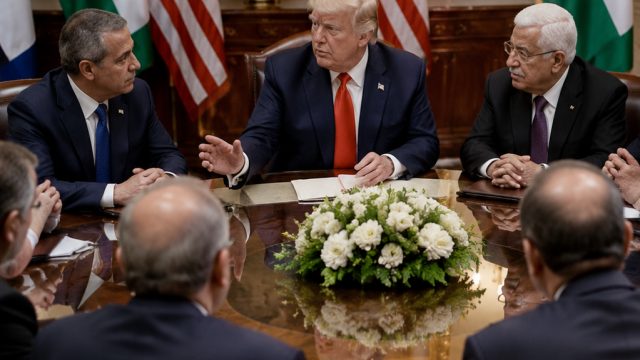
Recent revelations surrounding Donald Trump's Peace Council reveal a troubling trajectory regarding Palestinian self-determination. As geopolitical dynamics shift, understanding these developments is essential for both political analysts and the general public.
The Context of Trump's Peace Council
In late 2022, just after a series of events where President Trump celebrated what he termed the 'end of conflict' in Gaza, the realities on the ground tell a starkly different story. Internal documents indicate that despite the ceremonial accolades from various regional leaders, Israel has shown little inclination to adhere to agreements purportedly aimed at fostering peace.
Recent Actions of the Israeli Government
Reports indicate that the Israeli government has continued its operations in Palestinian territories, leading to a surge in violence against Palestinian civilians. This troubling reality calls into question the effectiveness of diplomatic initiatives led by Trump’s administration.
- Ongoing military actions in Gaza
- Increased fatalities among Palestinian civilians
- Transparent disregard for the terms of the peace negotiations
The Implications of Leadership Decisions
Trump's Peace Council was formed with the intent of establishing a cohesive strategy for Middle Eastern peace. However, the latest insights suggest that its capacity to influence positive change may be significantly limited. The apparent disinterest from Israeli leaders has profound implications for regional stability.
Potential Consequences for Palestinian Autonomy
The ongoing disregard for Palestinian rights could further exacerbate tensions in the region. As international focus shifts, the future of Palestinian self-determination hangs precariously in the balance. Key points include:
- Growing frustrations among Palestinians
- Increased likelihood of escalated conflict
- Potential for international backlash against Israeli policies
The Role of International Actors
Global responses to these developments are crucial. As international communities, including NGOs and foreign governments, assess the situation, the dynamics of global diplomacy will undoubtedly play a role in shaping the future of Palestine.
International Responses and Actions
There are several ways in which international actors can respond:
- Calling for renewed negotiations between Israel and Palestinian representatives
- Implementing sanctions against parties that violate agreements
- Mobilizing humanitarian support for affected civilians
Looking Ahead: What This Means for the Future
As the situation evolves, understanding the implications of Trump's Peace Council's actions will be crucial for anyone interested in international politics and Middle Eastern relations. With ongoing violence and a lack of adherence to diplomatic agreements, the pressing question becomes how the global community will respond.
The future of Palestinian autonomy is at a critical juncture, demanding urgent attention. It is essential for citizens, activists, and policymakers alike to remain informed and engaged in discussions surrounding these pivotal issues.
Conclusion
In conclusion, the internal revelations regarding Trump's Peace Council underline the precarious state of Palestinian self-determination amidst ongoing conflict. As observers of this complex situation, we must continue to advocate for accountability and ensure that all voices are heard in the quest for lasting peace in the region.
