
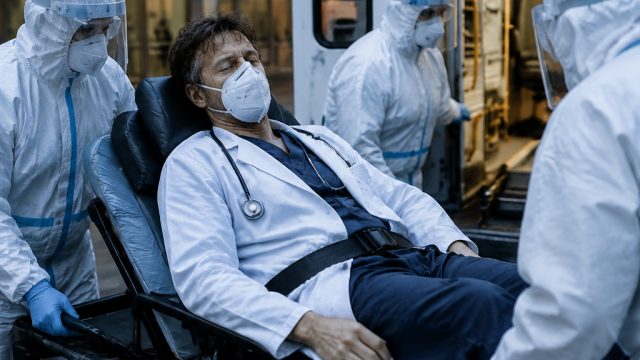
The recent news of an Ebola case in France has raised alarm bells, particularly as the World Health Organisation (WHO) steps in to provide guidance and reassurance. A doctor returning from the Democratic Republic of Congo (DRC) tested positive for the virus, prompting immediate health protocols to be put into effect. This case highlights the ongoing concerns surrounding infectious diseases and the importance of vigilance in public health.
Understanding the Situation
The doctor, who returned from DRC where an outbreak was reported, is currently being isolated. While authorities have confirmed the diagnosis, they are also emphasizing that the risk of transmission within France remains low. Nevertheless, this case serves as a crucial reminder of the potential for infectious diseases to cross borders.
What is Ebola?
Ebola is a severe and often fatal illness caused by the Ebola virus, which is transmitted to humans from wild animals and spreads through direct contact with bodily fluids of infected individuals. Symptoms can appear anywhere from 2 to 21 days after exposure to the virus, making early detection and response critical.
Why This Matters Now
With the global travel network more interconnected than ever, a single case can have widespread implications. The WHO's prompt response underscores the importance of international health systems being prepared to handle outbreaks effectively. Health professionals emphasize the need for public awareness and education regarding signs and symptoms of Ebola.
Key Symptoms to Watch For
- Fever
- Severe headache
- Muscle pain
- Weakness
- Diarrhea
- Vomiting
- Abdominal pain
- Unexplained bleeding or bruising
Public Health Response
In response to the confirmed case, French health authorities are undertaking several measures to mitigate the situation:
- Immediate isolation and treatment of the affected individual.
- Contact tracing to identify and monitor individuals who may have been exposed.
- Public information campaigns to educate the community about Ebola.
- Increased surveillance at hospitals and clinics for symptoms associated with Ebola.
Community Awareness and Preparedness
The importance of community awareness cannot be overstated. Health officials urge individuals to remain vigilant and report any unusual symptoms, especially if they have traveled to regions affected by Ebola. Community health programs are being bolstered to ensure that information is readily available and that people know where to seek help.
What You Can Do
As the situation unfolds, here are steps you can take to stay safe:
- Stay informed by following reliable news sources and health organizations.
- Practice good hygiene, including frequent handwashing and avoiding close contact with anyone displaying symptoms.
- Consider vaccination where applicable, especially if traveling to high-risk areas.
- Participate in community health initiatives aimed at education and prevention.
Conclusion
This recent case of Ebola in France serves as a stark reminder of the ever-present threat posed by infectious diseases. While health authorities are taking swift action to contain the situation, public awareness and readiness are vital in ensuring collective safety. Staying informed and proactive can help reduce the risk of outbreaks and effectively respond to health emergencies.
