
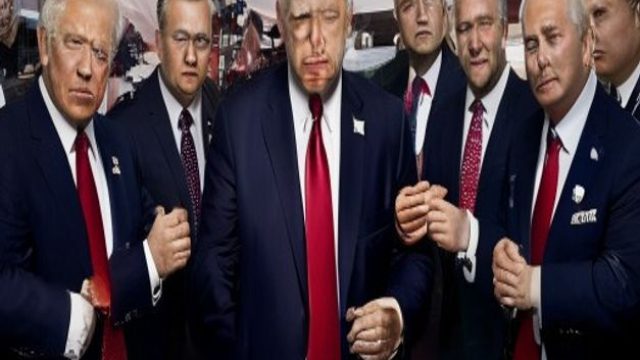
In a compelling turn of events, several prominent Republican leaders have recently voiced their disagreements with former President Donald Trump regarding U.S. policy towards Iran. This emerging discord highlights the ongoing tensions within the party and reflects broader concerns about national security amidst rising geopolitical conflicts.
The Context of the Disagreement
The backdrop for these tensions is the turbulent state of U.S.-Iran relations. Following years of sanctions and military posturing, the Biden administration has taken a more diplomatic approach, a stark contrast to Trump's previous hardline policies. The recent clash among Republican leaders signals a significant ideological rift as they grapple with the implications of these foreign policies.
Key Republican Figures Weigh In
Among those voicing their concerns are influential figures such as Senate Minority Leader Mitch McConnell and House Minority Leader Kevin McCarthy. Both leaders stress the importance of a unified stance on national security issues, particularly in light of Iran's ongoing activities that threaten regional stability.
Mitch McConnell's Warning
McConnell has been vocal about the dangers of a disengaged U.S. approach. He argues, "We must remain vigilant against Iran's efforts to destabilize the Middle East and support terrorism." His comments reflect a growing concern among many Republicans that Trump's previous strategies may have inadvertently empowered Iran.
Kevin McCarthy's Call for Unity
On the other hand, McCarthy has called for party unity in addressing Iran's nuclear ambitions. He stated, "It's crucial that we stand firm together, communicating a clear message to Tehran that their actions will not go unchallenged." This sentiment resonates with many who believe that bipartisan support is essential for effective foreign policy.
The Impact on Upcoming Elections
The internal conflict within the Republican Party over how to handle Iran could have significant implications for the upcoming elections. As the party aims to regain control of Congress, the approach towards foreign policy will undoubtedly be a pivotal topic.
Voter Sentiment
Polling data suggests that voters are increasingly concerned about national security and foreign policy, particularly given recent events in the Middle East. Republican candidates will need to articulate clear, coherent strategies that differentiate them from the previous administration while also addressing constituents' fears.
Potential Outcomes
- Increased scrutiny of candidates' positions on foreign policy.
- Potential shifts in party alignment as candidates take stands on Iran.
- Opportunity for new voices within the party to emerge, advocating for a shift in strategy.
Looking Ahead: The Republican Party's Future
As the Republican Party navigates these turbulent waters, it faces a critical moment that may define its identity for years to come. The internal disagreements over Iran policy could serve as a litmus test for party unity and coherence.
The Need for a Clear Strategy
Moving forward, party leaders will need to develop a clear, consistent approach to foreign policy that resonates with voters. This includes not just a stance on Iran but also how they plan to engage with other global issues that could shape the future landscape.
Engaging with Constituents
- Host town hall meetings to discuss foreign policy concerns.
- Utilize social media platforms to gauge voter sentiment.
- Encourage dialogue on national security in community forums.
Conclusion: A Defining Moment
The ongoing disagreement among Republican leaders over U.S. strategies on Iran represents more than just a policy debate; it signifies a critical moment for the party as it seeks to redefine its mission and connect with voters. As the political landscape evolves, the ability to unify around a common foreign policy framework will be essential for the party's success in the upcoming elections.
