
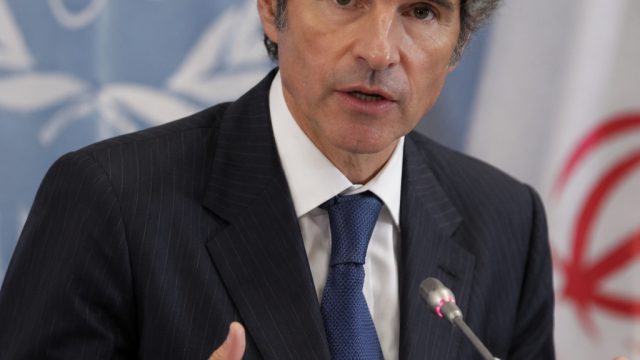
In a critical period of heightened tension between the United States and Iran, the head of the International Atomic Energy Agency (IAEA) has made significant statements regarding upcoming inspections of nuclear sites in Iran. This development not only holds implications for international nuclear safety but also reflects the complex dynamics of U.S.-Iran relations.
IAEA's Commitment to Transparency
The IAEA chief recently stated that inspections will indeed take place, although the timing is deemed "not essential." This statement highlights the agency's commitment to maintaining transparency in nuclear operations, a cornerstone in preventing proliferation. The importance of these inspections cannot be overstated, particularly given the geopolitical stakes involved.
Why Now Matters
As tensions escalate in the region, the need for vigilance and oversight becomes paramount. With the U.S. and Iran embroiled in complex negotiations over nuclear capabilities, the outcomes of these inspections could either help pave the way for a diplomatic resolution or further exacerbate existing conflicts.
The Bigger Picture
In the broader context of global security, the situation underscores the necessity for international cooperation. The IAEA's role as a neutral party is crucial in facilitating dialogue. Observers note that the inspections are not just about monitoring nuclear sites but also about fostering trust among nations.
- Ensuring compliance with nuclear agreements
- Building confidence among neighboring countries
- Preventing the escalation of potential conflicts
Challenges Ahead
Despite the assurance of inspections, there are significant challenges that lie ahead:
- Political Resistance: Iran has expressed a conditional willingness to allow inspections, indicating that they will occur only after a conclusive agreement is reached with the U.S.
- Global Reactions: Other nations are closely monitoring the situation, as their security interests are also at stake.
- Long-Term Implications: The outcomes of these inspections could set a precedent for future nuclear agreements.
Conclusion: The Path Forward
As the IAEA prepares for these upcoming inspections, the emphasis on a collaborative approach remains critical. Both the U.S. and Iran must recognize the potential for diplomacy even amidst high tensions. The ongoing developments will likely shape not only the immediate future of U.S.-Iran relations but also the global landscape of nuclear safety. For individuals and nations alike, staying informed through reliable sources like melzaar.com is essential as we navigate these complex issues.
