
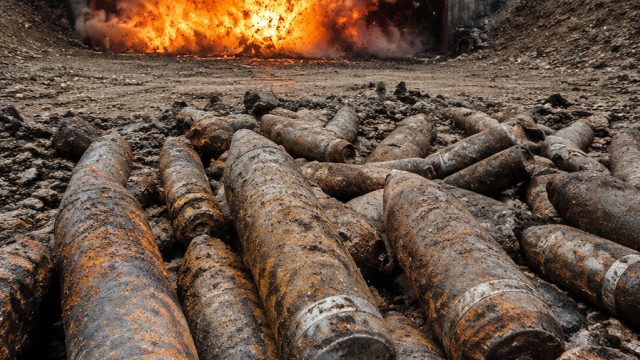
In a significant development, two World War I-era chemical shells were safely destroyed at the Kriolak military range yesterday. This action was reported by the Directorate for Protection and Rescue (DZR), emphasizing the critical nature of managing hazardous materials to ensure public safety. As these remnants from the past continue to pose risks, it’s essential to understand the implications of such operations.
The Dangers of Untreated Chemical Munitions
Chemical weapons, particularly those from the World War I era, are notorious for their destructive potential. The shells destroyed at Kriolak, if left unchecked, could have led to dire consequences. According to DZR's pyrotechnician, Georgi Stefanov, the uncontrolled explosion of such munitions could result in harmful or even fatal outcomes for nearby individuals.
What Makes These Shells Dangerous?
- Toxic Chemicals: Many chemical munitions contain lethal agents that can cause severe health issues, even at minimal exposure.
- Unpredictable Reactions: The stability of these old shells is usually questionable, leading to potential mishaps during handling.
- Environmental Impact: Releases of harmful substances into the environment can have long-lasting effects on local ecosystems.
Importance of Controlled Destruction
The controlled destruction of these shells is not merely a procedural formality; it is a vital safety measure. The operation was executed under strict protocols to mitigate any risks. Such initiatives not only protect the immediate vicinity but also enhance the overall safety for communities surrounding military ranges.
Steps Taken for Safe Disposal
- Risk Assessment: Before any action is taken, thorough evaluations are conducted to understand the potential hazards.
- Expert Involvement: Trained professionals, like pyrotechnicians, oversee the process to ensure safety protocols are followed meticulously.
- Community Awareness: Informing local populations about ongoing activities and potential risks is crucial for public safety.
The Ongoing Challenge of Legacy Munitions
As nations continue to deal with the aftermath of past conflicts, the presence of old munitions remains a pressing issue. The recent destruction at Kriolak is a reminder that vigilance and responsibility are paramount. Historical conflicts have left behind not just scars on the landscape but also hidden dangers that require ongoing management. Efforts to safely eliminate these threats are vital to preventing future tragedies.
Future Implications
- Increased Safety Protocols: As more shell disposal operations occur, the safety measures can be refined and improved.
- Community Engagement: Ongoing dialogue with local communities can foster trust and awareness regarding safety practices.
- Technological Advances: Innovations in disposal technologies could enhance the efficiency and safety of these operations.
Conclusion
The destruction of the chemical shells at Kriolak serves as a crucial example of the ongoing efforts needed to manage the legacy of war. With the potential risks associated with old munitions, it is essential for authorities to prioritize safety and environmental protection through careful planning and execution of disposal operations. By addressing these challenges head-on, we can work towards a safer future while respecting the lessons of history.
