
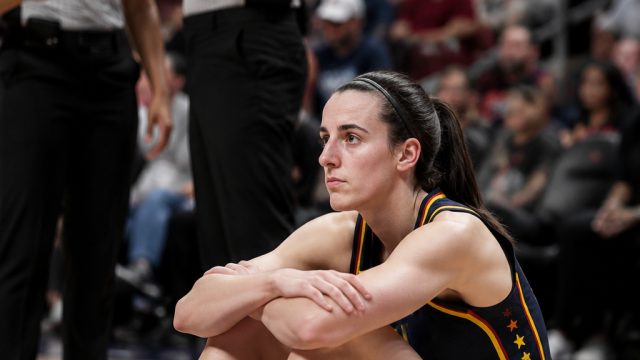
The WNBA has recently found itself in hot water following its decision to penalize star player Caitlin Clark during a critical game. This move has sparked widespread debate among fans, players, and analysts about fairness and consistency in officiating, raising the question: is this a case of discrimination in sports?
The Incident That Started It All
During a fiercely contested match between the Indiana Fever and the Phoenix Mercury, Caitlin Clark received her fifth technical foul of the season. This specific infraction has prompted a review by the WNBA, leading many to wonder if the league is applying its rules consistently.
Understanding Technical Fouls
Technical fouls are penalties that can significantly impact a game. They are typically assessed for unsportsmanlike behavior, and while they help maintain order, they can also raise concerns about bias. In Clark's case, fans and commentators are questioning whether the technical fouls are being handed down fairly.
Community Reaction and Outrage
The backlash against the WNBA's decision has been immediate. Fans took to social media platforms to express their frustration, arguing that Clark's penalties are disproportionate compared to those given to other players. Many are calling for greater transparency in the officiating process.
Voices from the Sports Community
- Former players and analysts are weighing in, with some stating that Clark's competitive nature is being misunderstood as misconduct.
- Supporters argue that the league must protect its star players to maintain interest and engagement among fans.
- Some suggest that Clark's visibility as a high-profile athlete makes her an easy target for referees.
The Bigger Picture: Gender and Fairness in Sports
This incident brings to light ongoing conversations about gender equity in sports. Women athletes often face scrutiny that their male counterparts do not, raising concerns about how their actions are perceived and penalized.
Comparing Leagues
Drawing comparisons between the WNBA and men's leagues, analysts have pointed out that male players usually have more leeway when it comes to expressions of frustration. This disparity is prompting discussions on whether institutional biases exist in professional sports.
What’s Next for Caitlin Clark and the WNBA?
As the WNBA reviews its decision, all eyes are on Caitlin Clark. The league's actions moving forward could set a precedent for how player behavior is managed and perceived. With the season still unfolding, fans are eager to see whether this controversy will influence officiating standards and policies.
The Role of Fans
Fans play a crucial role in shaping the narrative around sports controversies. Their reactions can prompt organizations to reevaluate policies and practices. Here are a few ways in which fans can make their voices heard:
- Engage in discussions on social media.
- Support campaigns advocating for player rights.
- Attend games and show support for athletes who face unfair treatment.
Conclusion: A Call for Fairness
The incident involving Caitlin Clark is more than just a sports story; it is a significant moment for discussions on fairness and equity in athletics. As the WNBA navigates this controversy, the focus remains on ensuring that all players are treated justly, regardless of their star status. The outcome may not only affect Clark's career but could also redefine the standards of officiating in women's sports.
