
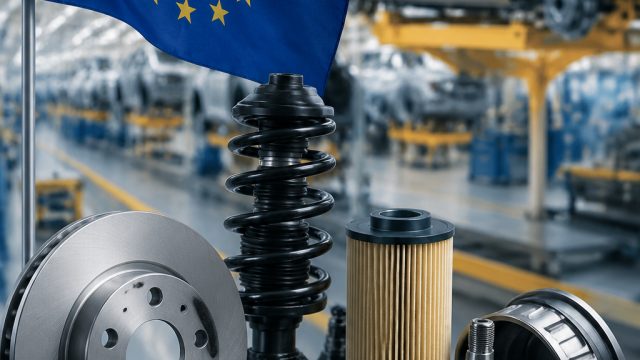
The automotive industry is undergoing a significant transformation with the introduction of new European Union regulations aimed at End-of-Life Vehicles (ELV). These regulations not only affect manufacturers but also bring a wave of opportunities for auto parts suppliers, workshops, and consumers. Understanding these changes is crucial for anyone involved in automotive care or looking to maintain their vehicles efficiently.
The Essence of New EU ELV Regulations
In a bid to promote sustainability within the automotive sector, the EU has established new guidelines that focus on the lifecycle of vehicles and their components. The primary aim is to encourage the reuse and recycling of automotive parts, which has long-term implications for both the environment and the economy.
Why These Changes Matter Now
The timing of these regulations is particularly significant. As the EU pushes for a greener future, consumers are also becoming more environmentally conscious. The new rules mean that:
- Manufacturers are compelled to design vehicles that facilitate easier dismantling and reclaiming of parts.
- Consumers will have access to more affordable and reliable used parts, reducing the financial burden of repairs.
- Workshops can improve their inventory management by integrating reclaimed parts into their services.
Impact on Automotive Parts Suppliers
With the implementation of these regulations, parts suppliers are presented with a unique opportunity to reshape their business models. Suppliers who can successfully navigate the regulatory landscape will find themselves at a competitive advantage. Here’s how:
Embracing Sustainability
Suppliers are encouraged to adopt sustainable practices, which can enhance their brand reputation. Customers increasingly prefer businesses that prioritize eco-friendly solutions. Thus, suppliers who focus on providing recycled or refurbished parts stand to gain a loyal customer base.
Innovation in Supply Chains
As manufacturers adapt to the new regulations, there will be a noticeable shift in supply chain dynamics. Parts suppliers will need to innovate their logistics and inventory systems to accommodate the increase in reclaimed parts. This could involve:
- Investing in technology for tracking and certifying recycled parts.
- Forming partnerships with dismantlers to secure a stream of quality, used components.
- Educating their workforce on new procedures related to the handling of reclaimed parts.
Implications for Consumers
For vehicle owners, these new regulations mean greater access to affordable parts without compromising quality. Understanding the implications can empower consumers to make informed choices about vehicle maintenance. Key points include:
Access to Quality Reclaimed Parts
With the emphasis on recycling, consumers will soon notice an increase in the availability of certified used parts. This is especially beneficial for older models where new parts may be scarce or prohibitively expensive.
Cost-Efficiency
Using refurbished parts can significantly reduce repair costs. Consumers can expect to see:
- A decrease in the overall expenses associated with vehicle maintenance.
- A wider variety of options when choosing parts for repairs.
- Enhanced transparency regarding the origin and sustainability of parts.
Conclusion: A New Era for Automotive Care
The new EU regulations on End-of-Life Vehicles signal a pivotal change in how the automotive industry operates. By emphasizing sustainability and the recycling of parts, the automotive care market is poised for transformation. For consumers, the implications are clear: more options, better prices, and a chance to contribute to a greener planet. As we navigate this new landscape, staying informed about how these changes affect automotive care will be essential for making savvy choices. Embracing these regulations may well lead to a future where both your vehicle and the planet benefit.
