
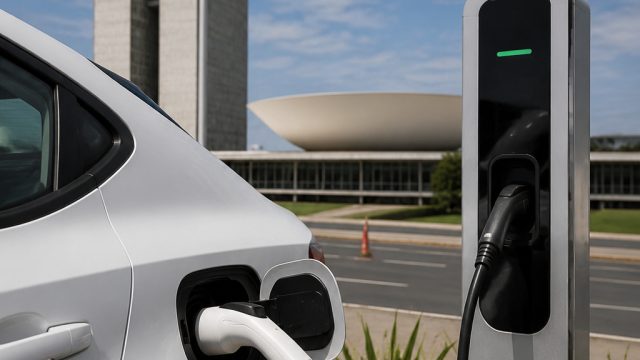
In a significant step towards advancing its electric vehicle (EV) sector, Brazil's Lula government has allocated a substantial $463 million quota specifically for electric car parts. This initiative, which includes a temporary waiver on import taxes until December, signals a new era for the automotive landscape in Brazil. With major players like BYD and other automakers in the mix, this decision is stirring discussions about competitiveness, pricing, and the future of the local industry.
The Rationale Behind the Initiative
Brazil aims to position itself as a leader in the electric vehicle market, aligning with global sustainability trends. The move to waive import taxes on EV parts is designed to lower costs and stimulate production within the country. As more consumers shift their preferences towards eco-friendly options, the government believes this initiative will encourage both local manufacturing and investment from foreign companies.
What Does This Mean for Consumers?
- Lower Prices: The import tax waiver is expected to lead to reduced prices for electric vehicle components, which could translate into lower retail prices for consumers.
- Increased Options: With more competitors entering the market, consumers may soon have a wider range of electric vehicle options to choose from.
- Enhanced Technology: The influx of foreign manufacturers, especially established brands like BYD, may bring advanced technology and innovation into the local market.
Impact on the Local Automotive Industry
This initiative not only seeks to benefit consumers but is also a strategic move to invigorate Brazil’s local automotive industry. By fostering a competitive environment, domestic manufacturers are encouraged to innovate and improve their offerings. However, questions remain about the long-term implications of relying on foreign imports and the potential impact on local jobs.
Key Considerations for Local Manufacturers
- Competition: Local automakers must adapt quickly to stay relevant as global brands enter the Brazilian market.
- Investment in Technology: To compete effectively, local firms may need to invest in research and development to improve their products.
- Collaboration Opportunities: There is potential for partnerships with international players, which could enhance local capabilities.
Challenges Ahead
While the government's initiative is a step in the right direction, it is not without challenges. Many consumers and industry experts are keenly observing how this move will affect prices in the short and long term. Additionally, the local workforce may face shifts as the demand for skilled labor in electric vehicle technology grows.
Consumer Concerns
- Price Fluctuations: Will the reduction in component costs directly translate into lower prices for electric vehicles?
- Job Security: As foreign manufacturers scale up operations, what will happen to existing jobs in the local industry?
- Quality Assurance: Will the influx of foreign parts compromise the quality of vehicles produced locally?
Conclusion: A Pivotal Moment for Brazil's Automotive Future
Brazil's decision to allocate $463 million for electric car parts and waive import taxes is a transformative move aimed at energizing the local automotive industry. As competition heats up among major players and concerns about pricing loom large, the government is straddling a delicate balance between fostering innovation and protecting local jobs. This initiative could very well reshape Brazil's automotive landscape, making it crucial for stakeholders to stay informed and engaged as developments unfold. Whether this will lead to enhanced consumer choices or challenges for local manufacturers remains to be seen. One thing is clear: the journey toward an electrified future for Brazil's automotive sector has officially begun.
