
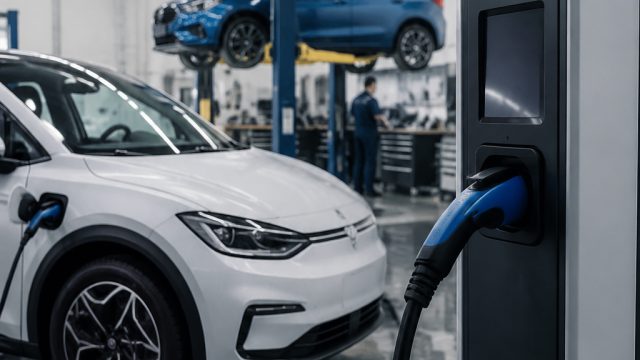
The Rapid Rise of Electric Vehicles in Korea
As oil prices continue to soar, the automotive landscape in Korea is experiencing a dramatic transformation. The adoption of electric vehicles (EVs) is not only accelerating but also reshaping consumer preferences and industry standards. With the urgency to reduce carbon footprints and the rising costs of traditional fuel, it is crucial to understand the factors influencing this shift.
Factors Fueling the Electric Vehicle Boom
High Oil Prices
One of the most significant drivers of the current surge in electric vehicle sales is the staggering increase in oil prices. As fuel costs rise, consumers are becoming increasingly aware of the long-term savings associated with EVs. This shift has prompted many to consider switching from gasoline to electric-powered vehicles, as the latter often promises lower operating costs and reduced dependency on volatile fuel markets.
Government Incentives and Support
The South Korean government has launched various incentive programs to promote the use of electric vehicles. These incentives range from tax breaks to subsidies that make purchasing an EV more financially attractive. Such measures are pivotal in encouraging consumers to invest in electric vehicles, making them a practical choice amid rising fuel costs.
The Growing Variety of Electric Vehicle Options
As the supply of electric vehicles increases, consumers are presented with a wider variety of options suitable for their needs. Whether it's compact cars, SUVs, or luxury models, the market is expanding to accommodate a diverse range of preferences. This growing selection not only meets the demands of various consumer demographics but also fosters healthy competition among manufacturers, driving innovation in EV technology.
Innovative Technologies Enhancing EV Performance
- Advanced batteries allowing for longer ranges.
- Faster charging solutions to reduce downtime.
- Smart features that enhance driving experience and safety.
Consumer Awareness and Education
With the rise of electric vehicles, there has been a parallel increase in consumer awareness regarding the environmental benefits and technological advancements of EVs. Educational campaigns and informational resources have become more prevalent, helping potential buyers make informed decisions about their automotive purchases.
Challenges Ahead for Electric Vehicle Adoption
Despite the promising growth of electric vehicles, several challenges remain that could impede their widespread adoption. These challenges must be addressed to maintain the momentum of this trend.
Charging Infrastructure Development
A significant barrier to electric vehicle adoption is the current state of charging infrastructure. While the number of charging stations is gradually increasing, many consumers still express concerns about the availability and convenience of charging their vehicles. Expanding this infrastructure is essential to alleviate range anxiety and encourage more drivers to transition to electric.
Market Competition from Traditional Vehicles
While electric vehicles are on the rise, traditional gasoline-powered cars still dominate a significant portion of the market. Overcoming this entrenched consumer preference will require continued advancements in electric vehicle technology and sustained marketing efforts to showcase the benefits of EV ownership.
Conclusion: The Future of Automotive in Korea
The surge in electric vehicle adoption in Korea signifies a critical shift in the automotive industry, driven by high oil prices, government incentives, and increasing consumer awareness. However, for this trend to sustain itself, stakeholders must address the challenges ahead, particularly in charging infrastructure and market competition. As we look to the future, staying informed about these developments will be crucial for consumers, manufacturers, and service providers alike.
