
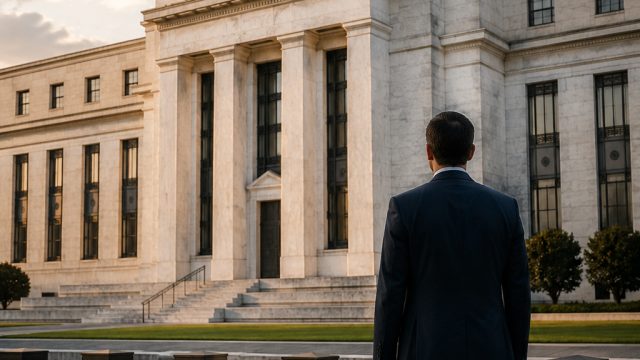
The Federal Reserve has recently announced that U.S. banks are poised to withstand up to $708 billion in potential losses, according to the results of its latest stress tests. This announcement is significant as it underscores the resilience of the banking sector amidst ongoing economic uncertainties. With the Fed's evolving capital rules, understanding these insights is crucial for stakeholders across the financial landscape.
The Importance of Stress Testing
Stress tests serve as a crucial tool in assessing the financial health of banks. By simulating extreme economic scenarios, these tests evaluate how well financial institutions can absorb losses and continue to operate effectively. The recent results from the Federal Reserve exemplify a robust banking system capable of weathering economic downturns, which fosters confidence among consumers and investors alike.
Key Findings from the Stress Tests
- Resilience in Adverse Conditions: The tests revealed that major banks could endure significant financial shocks without jeopardizing their stability.
- Increased Capital Buffers: Many institutions have bolstered their capital reserves, enhancing their ability to manage risks associated with economic volatility.
- Ongoing Regulatory Adjustments: The Fed's overhaul of capital rules aims to ensure that banks maintain sufficient capital against potential losses.
Implications for the Banking Sector
The results of these stress tests are reshaping the outlook for the banking sector. With the ability to absorb substantial losses, banks are more inclined to engage in strategic lending and investment opportunities. This proactive approach not only stimulates economic growth but also enables banks to enhance their market positions.
Benefits for Consumers and Investors
- Increased Lending Capacity: A more robust banking sector translates to better loan availability for consumers and businesses, fostering economic activity.
- Enhanced Stability: With banks showing strength against potential downturns, consumer confidence is likely to increase, leading to higher spending and investment.
- Potential for Higher Returns: Investors may find favorable opportunities as banks feel empowered to expand their portfolios, lifting share prices.
Looking Ahead: Regulatory Changes and Future Growth
As the Federal Reserve continues to refine its capital rules, the ongoing adjustments are set to have lasting effects on the banking industry. With a focus on ensuring stability, these regulations aim to protect the financial system from future crises while allowing for growth and innovation within the sector.
Adapting to a Changing Landscape
Financial institutions are not only adapting to the current regulatory landscape but are also strategically positioning themselves for future challenges. The emphasis on technology-driven solutions and enhanced risk management practices will play a vital role in sustaining growth and maintaining financial stability.
Conclusion: A Positive Outlook for the Future
The Federal Reserve's recent stress test results demonstrate a significant level of preparedness among U.S. banks to handle potential economic downturns. As these institutions bolster their capital reserves and adapt to new regulations, the outlook for the banking sector remains optimistic. Stakeholders—including consumers and investors—should remain engaged and informed as these developments unfold, paving the way for a resilient financial future.
