
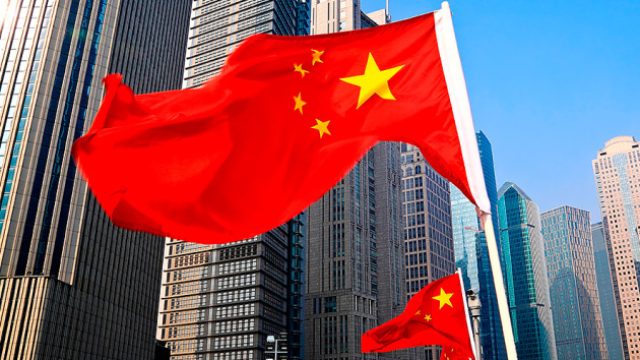
In a significant move that could reshape global trade dynamics, China has recently introduced export restrictions targeting 10 major American companies. This decision comes as a countermeasure to earlier U.S. restrictions imposed on various Chinese firms, heightening tensions between the two economic powerhouses. As global markets react, understanding the implications of these restrictions becomes crucial for businesses and consumers alike.
Understanding the Context of Export Restrictions
The timing of these restrictions underscores the escalating trade conflict that began years ago. Since the U.S. imposed limitations on Chinese technology companies, such as Huawei and ZTE, China has been seeking to protect its own technological interests. The latest restrictions are seen as a retaliatory measure, indicating a further deterioration of relations.
List of Affected Companies
- Major Tech Corporations
- Defense Contractors
- Aerospace Companies
- Research Institutions
The Broader Economic Impact
The ramifications of these export restrictions extend beyond the companies directly involved. The ripple effects of decreased trade can disrupt supply chains, increase costs, and ultimately affect consumers. Industries that rely on American technology and expertise may find themselves at a disadvantage as they navigate new regulatory environments.
Potential Challenges for U.S. Businesses
American companies may face several obstacles due to these new measures:
- Increased Costs: The need to find alternative suppliers or technologies may drive up operational costs.
- Market Uncertainty: Investors may become wary of companies heavily reliant on exports to China, leading to stock market fluctuations.
- Supply Chain Disruptions: Companies may experience delays or shortages in critical components, affecting production timelines.
What This Means for Global Trade Relations
The introduction of these restrictions could signal a hardening of trade barriers, not only between China and the U.S. but also influencing other nations. Countries that aim to maintain favorable trade relationships with both superpowers may find themselves caught in the crossfire.
Strategies for Navigating Trade Challenges
Businesses can adopt several strategies to mitigate the impacts of these export restrictions:
- Diversification: Companies may want to diversify their supplier base to reduce dependency on any single market.
- Increased Innovation: Investing in R&D can help businesses create alternatives that are less vulnerable to geopolitical tensions.
- Advocacy: Engaging in dialogue with policymakers can help companies voice their concerns and influence trade policies.
Conclusion: Preparing for a New Trade Landscape
The recent export restrictions imposed by China mark a pivotal moment in U.S.-China relations, emphasizing the need for businesses to adapt to changing circumstances. As companies brace for the implications of these decisions, staying informed and proactive will be essential for navigating the evolving global trade environment. For industries intertwined with the U.S. and Chinese markets, understanding these dynamics can mean the difference between success and stagnation.
