
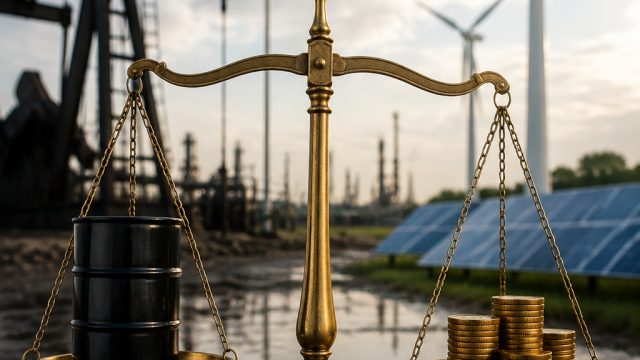
In a significant statement that has reverberated across the global energy landscape, Magda Chambriand, the CEO of Brazil's state oil company Petrobras, has highlighted a pressing issue: Brazil is at a crossroads between transitioning away from fossil fuels and preserving crucial tax revenues. This topic is particularly timely as nations worldwide grapple with the reality of climate change while also needing to generate income for public services.
The Context of Brazil's Energy Sector
Brazil has long been a major player in the energy market, primarily due to its vast oil reserves and the critical role that Petrobras plays in the economy. The company's operations not only fuel cars but also contribute significantly to the national income through taxes and royalties. However, as global trends shift towards sustainable energy sources, Brazil faces pressure to rethink its reliance on fossil fuels.
The Role of Petrobras
Petrobras has been the backbone of Brazil's energy infrastructure. With a history of substantial investments in oil extraction and processing, the company has thrived on fossil fuel revenues. However, as international agreements increasingly advocate for sustainable practices, Petrobras's future could hinge on its ability to adapt.
- Oil Production: Petrobras is one of the largest oil producers in the world, significantly impacting Brazil's exports.
- Tax Generation: The revenue generated from oil is crucial for funding social programs and public services.
- Sustainability Initiatives: Petrobras has begun to invest in renewable energy sources, but these efforts are still in their infancy.
The Economic Implications of Transitioning
Chambriand's assertion that Brazil must choose between fossil fuel phaseout and tax revenue presents a challenging dilemma. A shift towards sustainable energy could mean lower immediate revenues, impacting public finances. This is particularly pressing as Brazil seeks to recover from economic downturns exacerbated by the COVID-19 pandemic.
Potential Consequences of Fossil Fuel Dependency
Retaining a heavy reliance on fossil fuels poses several risks to Brazil's economic stability and environmental commitments:
- Global Reputation: Continued fossil fuel dependence could tarnish Brazil's image as a leader in climate action.
- Investment Attraction: Investors are increasingly focusing on sustainable companies, making fossil-fuel-heavy entities less attractive.
- Economic Vulnerability: Fluctuations in oil prices can lead to economic instability, affecting everything from jobs to public services.
Finding a Middle Ground: Sustainable Solutions
To navigate this complex situation, Brazil must explore innovative solutions that balance economic needs with environmental responsibilities. This could involve:
Investment in Renewable Energy
Brazil has immense potential for renewable energy, particularly in wind and solar power. By investing in these sectors, the country can create new jobs and stimulate economic growth while reducing its carbon footprint.
Public and Private Sector Collaboration
Collaboration between the government and private sectors can lead to more sustainable practices. Initiatives that support the transition to green energy while maintaining tax revenues should be prioritized.
- Tax Incentives: Providing tax breaks for companies investing in renewable energy can stimulate growth.
- Job Training Programs: Preparing the workforce for green jobs is essential for a successful transition.
- Research and Development: Investing in innovative technologies can make energy production more efficient and sustainable.
Conclusion: The Path Forward for Brazil
The statement by Petrobras's CEO serves as a critical reminder of the challenges faced by nations in an era focused on sustainability. Brazil's choice will not only impact its own economy but also has ramifications for global climate initiatives. The path forward lies in embracing a balanced approach that prioritizes both economic stability and environmental stewardship. As Brazil stands at this pivotal moment, it must act wisely to secure a sustainable future.
