
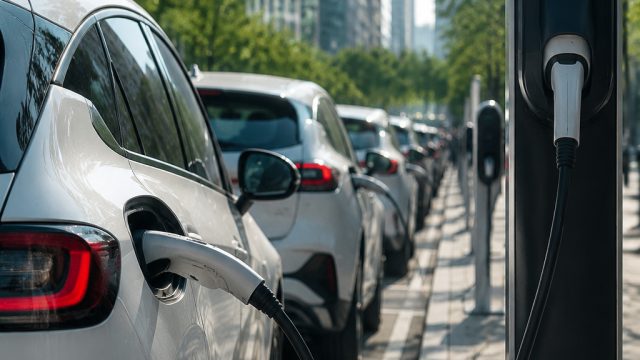
Surging Demand for Electric Vehicles Reshapes European Auto Landscape
The European automotive industry is undergoing a seismic shift as consumer demand for electric vehicles (EVs) surges. This increase in interest not only marks a transition towards sustainable mobility but also poses new challenges and opportunities for traditional automakers. As we move further into 2023, understanding these developments is crucial for industry stakeholders.
The Rise of Electric Vehicle Demand
In recent years, the push towards greener transportation has accelerated, especially in Europe. Government initiatives aimed at reducing carbon emissions and promoting sustainable practices have led to a significant spike in the demand for electric vehicles. In 2023, the sales of EVs are expected to surpass conventional vehicles, reflecting a transformative shift in consumer preferences.
Market Dynamics Shifting Towards EVs
- Increased consumer awareness about environmental issues.
- Advancements in battery technology leading to longer-lasting and more efficient vehicles.
- Government incentives and subsidies for EV purchases boosting consumer confidence.
This trend is not only transforming consumer behavior but also reshaping the competitive landscape. Traditional manufacturers are now racing against time to innovate and electrify their lineups to meet the evolving demands of environmentally-conscious consumers.
Challenges Facing Traditional Automakers
As the market pivots towards electric vehicles, established auto manufacturers face significant challenges. One of the primary hurdles is the adaptation of existing production facilities to accommodate the new technologies required for EV manufacturing.
Cost Implications
- Investment in new machinery and equipment.
- Training staff for new production processes.
- Research and development for cutting-edge EV technologies.
These changes come with heavy financial implications, often resulting in increased costs that may impact vehicle pricing and, consequently, consumer demand. Additionally, the supply chain disruptions caused by the pandemic have exacerbated these challenges, throwing timelines off course and complicating the shift to electric.
Consumer Preferences and Market Trends
As we analyze the current landscape, it's evident that consumer preferences are also evolving. Factors influencing these changes include the growing desire for sustainability, advancements in technology, and shifting perceptions of car ownership.
What Consumers Want Now
- High-performance electric vehicles with extended range.
- Affordability in terms of purchasing and maintaining an EV.
- Access to convenient charging infrastructure.
Automakers that respond to these needs stand to gain significant market share as consumers increasingly prioritize sustainability without compromising on performance or convenience.
The Future of the European Auto Market
Looking ahead, the European auto market is poised for rapid evolution. Analysts predict that by the end of 2023, electric vehicles will make up a majority of new car sales in several key markets. This transition signifies not only a change in vehicle technology but also an overarching transformation in the mobility landscape as a whole.
Innovation as a Key Driver
Innovations such as autonomous driving technology and improved connectivity features are set to enhance the appeal of electric vehicles further. As these advancements become more mainstream, the automotive industry will likely continue to attract a younger, tech-savvy demographic.
Conclusion: Adapting to Change
The surge in electric vehicle demand within Europe's auto market is a clear indication of the shift towards sustainable transportation. While traditional automakers face several challenges, those who innovate and adapt will emerge stronger in a rapidly changing landscape. As consumers increasingly make environmentally-friendly choices, the future of the automotive industry will undoubtedly be electric.
