
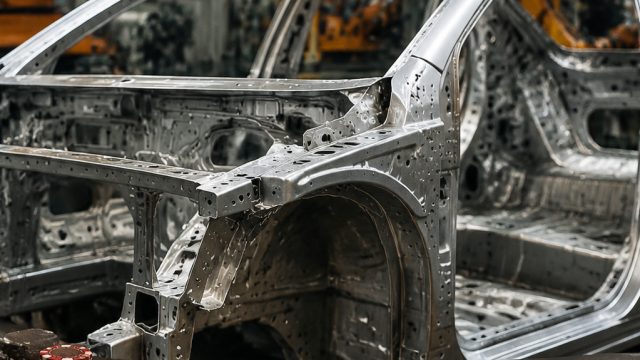
The Rise of Aluminum: Key Trends in the Automotive Industry for 2023
The automotive industry is undergoing a significant transformation, with aluminum emerging as a pivotal material in vehicle manufacturing. The global automotive aluminum market is expected to witness an impressive compound annual growth rate (CAGR) of 8.7%, driven by a convergence of technological advances, regulatory demands, and a growing emphasis on sustainability. In this article, we delve into the factors propelling this growth and what it means for the future of automotive engineering.
Understanding the Surge in Demand for Automotive Aluminum
The increasing demand for lightweight vehicles is one of the primary drivers of aluminum's rising role in automotive production. As manufacturers strive to enhance fuel efficiency and reduce emissions, aluminum presents an attractive solution. With its high strength-to-weight ratio, it enables automakers to design lighter vehicles without compromising structural integrity.
Regulatory Pressure for Eco-Friendly Vehicles
Governments worldwide are implementing stricter emissions regulations, creating a strong push for manufacturers to adopt lighter materials. The European Union, for example, has set ambitious targets for CO2 emissions, prompting car producers to rethink their material choices. Aluminum helps meet these standards while also appealing to environmentally conscious consumers.
Technological Innovations Driving Production
Recent advancements in manufacturing processes have further bolstered aluminum's appeal. Innovations such as advanced casting and welding techniques allow for better integration of aluminum in vehicle construction. This not only enhances performance but also reduces production costs, making aluminum even more attractive to manufacturers.
The Impact on Vehicle Design and Performance
As the automotive landscape shifts, the integration of aluminum is reshaping vehicle design. Here are some notable impacts:
- Enhanced Fuel Efficiency: Aluminum's lightweight nature directly contributes to improved fuel economy, making vehicles more efficient.
- Improved Safety: Aluminum can absorb energy during collisions, thereby enhancing crash safety standards.
- Versatile Applications: From body panels to engine components, aluminum is being used in various applications, allowing for innovative designs.
Market Growth and Future Projections
The automotive aluminum market is not just growing; it's evolving. Market research indicates that by 2033, the demand for aluminum in automotive applications will continue to surge, driven by both consumer preferences and technological advancements. Companies that adapt to this trend stand to gain a significant competitive advantage.
Sustainability: The Future of Automotive Materials
In today's market, sustainability is no longer just a buzzword; it is a crucial factor influencing purchasing decisions. Consumers are increasingly demanding environmentally friendly options, and manufacturers are responding. Aluminum is 100% recyclable and requires less energy to produce compared to other materials, making it a sustainable choice for auto manufacturers looking to minimize their environmental impact.
Industry Leaders Embracing Aluminum
Leading automotive companies are already investing heavily in aluminum technology. Automotive giants are forming partnerships with aluminum suppliers to secure a steady flow of this essential material. Some notable companies include:
- Tesla: Pioneering the use of aluminum in electric vehicles.
- Ford: Utilizing aluminum to enhance the performance of their F-150 series.
- BMW: Incorporating aluminum for weight reduction and improved fuel efficiency.
Challenges and Opportunities in the Aluminum Space
While the outlook for aluminum in the automotive sector is bright, challenges remain. The fluctuating prices of raw materials and the need for specialized manufacturing processes can pose hurdles for many manufacturers. However, these challenges also present opportunities for innovation and cost-effective solutions, as companies strive to optimize their production methods.
Conclusion: The Road Ahead
As we move through 2023 and beyond, the automotive aluminum market is positioned for remarkable growth. Manufacturers who prioritize this lightweight material are likely to lead the way in innovation, sustainability, and consumer satisfaction. For businesses involved in automotive care and service, understanding these shifts is crucial to remain competitive and to cater to an ever-evolving market. The momentum behind aluminum is not just a trend; it is a fundamental change in how vehicles are designed and manufactured, marking a pivotal moment in the automotive industry.
