
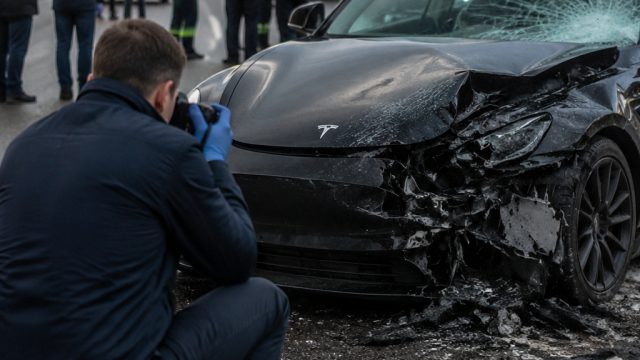
In a heartbreaking incident this past week, a Tesla vehicle crashed into a residential home in Texas, resulting in the tragic death of a 76-year-old resident. This devastating event has triggered a comprehensive investigation by the National Highway Traffic Safety Administration (NHTSA), underscoring urgent concerns regarding the safety of electric vehicles, particularly as they become more prevalent on our roads.
The Incident and Immediate Aftermath
The crash, which occurred late on a Saturday evening, raised immediate questions about the vehicle's operational status at the time of the accident. Eyewitnesses reported that the Tesla was traveling at a high speed before it suddenly veered off the road. As emergency services responded, it became evident that the vehicle's impact caused significant damage, not only to the property but also to the life of the homeowner.
Authorities Take Action
Following the incident, the NHTSA swiftly announced the commencement of a special probe to investigate the circumstances surrounding the crash. This inquiry marks an essential step in understanding the factors that may contribute to such tragic accidents. The focus will be on the vehicle’s speed, the state of its autopilot feature, and whether the driver was engaged or incapacitated at the time.
Electric Vehicle Safety: A Growing Concern
This incident raises critical questions about electric vehicle safety, particularly as manufacturers like Tesla continue to push the boundaries of technology with advanced features such as autopilot and semi-autonomous driving capabilities. While these innovations promise to enhance the driving experience, they also bring forth new risks that have yet to be thoroughly assessed.
The Role of Technology in Driving Safety
- Autopilot Features: Many electric vehicles are equipped with sophisticated driver-assistance systems that can significantly alter how cars navigate roads. Understanding their limitations is crucial.
- Driver Engagement: As vehicles become more automated, the importance of maintaining driver attention cannot be overstated. This incident serves as a reminder of the potential dangers of over-reliance on technology.
- Data Transparency: The availability of performance data relating to accident scenarios is vital for regulatory bodies to make informed decisions regarding vehicle safety.
Regulatory Response and Future Implications
The NHTSA's investigation is not just a response to a singular event but part of an ongoing effort to ensure that as technology evolves, safety standards keep pace. Regulators face the challenging task of balancing rapid technological advancements with consumer safety. Discovering the root causes of this incident will play a critical role in shaping future policies and regulations.
Potential Outcomes of the Investigation
As the investigation unfolds, various outcomes may arise, including:
- Reinforcement of Safety Standards: This incident could lead to tighter regulations on autonomous driving features and enhanced safety protocols for electric vehicles.
- Increased Scrutiny of Vehicle Technology: Expect more comprehensive evaluations of autopilot capabilities and driver-assistance systems across all manufacturers.
- Consumer Awareness Campaigns: Educational initiatives may emerge to inform consumers about the safe use of advanced driving technologies.
Conclusion: A Call for Vigilance
The tragic Tesla crash serves as a somber reminder of the importance of vigilance in an era of rapidly evolving automotive technology. As investigations proceed, it is crucial for manufacturers, regulators, and drivers alike to engage in dialogue about safety practices and the responsible use of technology. The future of driving safety hinges on our collective efforts to learn from incidents like this one and strive for a safer road environment.
For those interested in staying informed about automotive safety trends and updates, following developments from regulatory bodies and participating in community discussions about vehicle technology is essential. Together, we can work towards ensuring that innovation does not compromise safety on our roads.
