
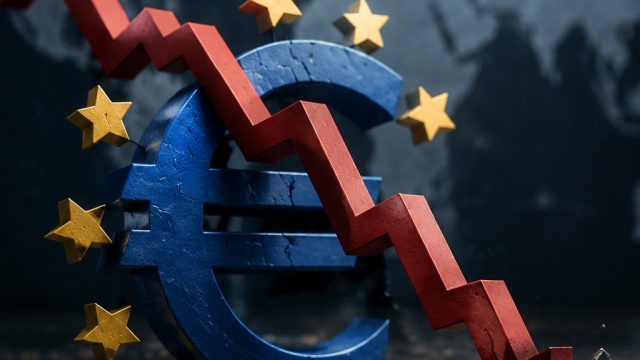
The euro has experienced a significant drop, reaching its lowest point since last August, driven by a mix of disappointing economic indicators and cautious remarks from European Central Bank (ECB) President Christine Lagarde. This shift not only raises questions about the eurozone's economic health but also highlights the potential ripple effects across global financial markets.
The Underlying Factors Behind the Euro's Weakness
Recent data has shown a slowdown in various sectors of the eurozone economy, which has prompted a reassessment among traders and investors. As they digest this information, several critical factors are influencing the euro's decline:
- Weak Economic Data: Key indicators, such as manufacturing output and consumer spending, have not met expectations, sparking concerns over the eurozone’s growth potential.
- Dovish Stance from the ECB: President Lagarde's recent comments have signaled a more cautious approach to interest rate hikes, contrasting sharply with the Federal Reserve's current strategy.
- Market Reaction: Investors are quickly adjusting their positions, leading to a sell-off in the euro as they brace for a potentially prolonged period of stagnant economic growth.
Implications for Investors and Economies
The implications of the euro's decline extend far beyond Europe. Here’s how this situation can affect global markets:
1. Impact on European Exports
A weaker euro can have both positive and negative effects on European exports. On one hand, a lower currency value can make European goods more competitive abroad, potentially boosting export volumes. On the other hand, it can also lead to inflationary pressures as import costs rise.
2. Investments and Financial Markets
As the euro slips, investors will likely seek safer assets, shifting focus to currencies like the USD or commodities. This behavior can lead to increased volatility in equity markets as foreign investment flows change directions.
3. The Broader Economic Landscape
The eurozone's stagnation could have cascading effects on global economies, especially those that trade heavily with Europe. Economic forecast adjustments may become necessary, and policymakers will need to find strategies to mitigate any fallout.
Why This Matters Now
Understanding the euro's current position is critical as financial markets brace for potential changes. The divergence in monetary policy between the ECB and the Federal Reserve creates uncertainty, prompting investors to reassess risk and opportunity.
Moreover, with the broader economic landscape being influenced by geopolitical tensions and shifts in consumer behavior, staying informed will help individuals and businesses navigate potential challenges ahead. As we move further into the year, the economic trajectory of the eurozone will be a key determinant of market stability and growth prospects.
Conclusion: Navigating the Future
The euro's recent decline serves as a reminder of the intricate connections within global financial systems. Stakeholders must remain vigilant and responsive to the evolving economic conditions.
To keep ahead of the game, consider utilizing insightful resources and expert analyses available at melzaar.com. Empower yourself with knowledge to navigate the complexities of today’s economic environment effectively.
