
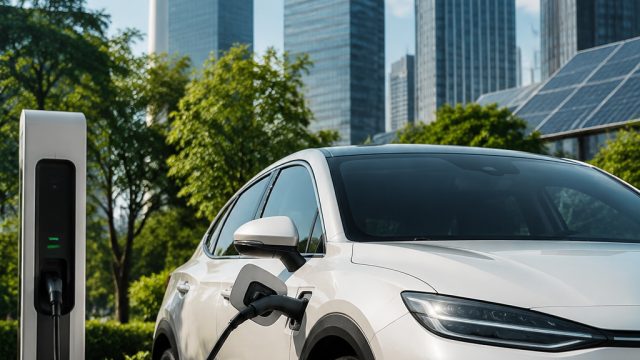
The automotive industry is in a state of rapid transformation, propelled by the convergence of mobility, energy, and advanced software solutions. This integration is not merely a futuristic concept but a pressing reality that is reshaping how we think about vehicles and travel. With increasing demands for sustainable practices and smarter technology, this shift is happening now more than ever.
The Need for Integration in the Automotive Sector
As societal expectations evolve, the automotive industry faces critical challenges. The push for greener technologies and enhanced user experiences have led to an urgent need for innovative solutions. Companies like SUN Mobility, led by visionary Chetan Maini, emphasize the importance of integrating mobility and energy solutions with advanced software frameworks.
The Role of Energy Sustainability
Energy consumption in the automotive sector has garnered significant attention. With the ongoing climate crisis, the industry is looking toward sustainable energy solutions. Electric vehicles (EVs) have become the standard for eco-conscious consumers, but they require robust infrastructure and smart energy management systems.
- Renewable Energy Sources: The shift to solar and wind energy to power charging stations is gaining traction.
- Smart Grids: The development of smart grids will allow better energy distribution and optimization, minimizing waste.
- Battery Technology: Innovations in battery tech are essential to enhance EV range and reduce charging times.
Software as the Backbone of Automotive Innovation
Software development has become the backbone of modern automotive technology. From improving safety features to enabling autonomous driving, robust software systems are essential for any car manufacturer aiming to remain competitive.
Key Software Innovations Driving Change
- Vehicle-to-Everything (V2X) Communication: This technology allows cars to communicate with each other and with infrastructure, enhancing both safety and traffic management.
- Advanced Driver-Assistance Systems (ADAS): These systems utilize complex algorithms to improve safety and driving efficiency.
- Over-the-Air Updates: Software updates can now be performed remotely, ensuring that vehicles are always equipped with the latest features.
The Future of Mobility
The convergence of these elements is paving the way for a futuristic vision of mobility. The concept of shared mobility, where transportation is viewed as a service rather than a product, is gaining momentum.
What This Means for Consumers
For consumers, this integration translates into several noteworthy benefits:
- Improved Accessibility: Enhanced mobility solutions will provide better access to transportation for all, including underserved communities.
- Cost Efficiency: With the rise of shared mobility options, individuals can reduce the costs associated with car ownership.
- Enhanced User Experiences: As cars become smarter, the experience of driving and commuting is set to become more enjoyable and efficient.
Conclusion: Embracing Change
As we witness the convergence of mobility, energy, and software in the automotive industry, it’s clear that the future holds exciting possibilities. Car manufacturers, tech companies, and consumers must embrace change to navigate this transformative era. Whether through innovations in sustainability, software advancements, or new mobility solutions, the automotive landscape is evolving, and staying informed is key to adapting to these changes.
For those interested in the latest developments in automotive technology and sustainability, staying updated with trusted sources like melzaar.com will ensure you are on the cutting edge of this revolutionary shift.
