
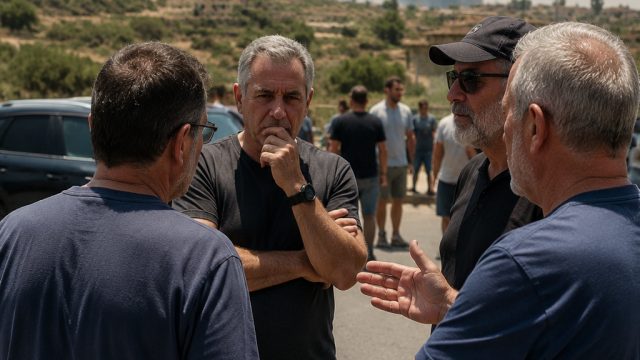
As the conflict between Israel and Hezbollah continues to escalate, the residents of Northern Israel find themselves grappling with uncertainty surrounding the proposed ceasefire. The recent discussions aimed at establishing peace have left many locals skeptical, with on-the-ground conditions significantly impacting their outlook on the situation.
A Ceasefire in Name Only?
Despite diplomatic efforts, residents express doubt that any ceasefire agreement would result in lasting peace. The daily realities of life in areas like Kiryat Shmona and surrounding regions tell a different story, as the echo of sirens and the threat of rocket fire remain ever-present.
Local Sentiments of Distrust
- Residents cite historical agreements that were quickly shattered.
- Frequent clashes have eroded public confidence in peace talks.
- Many feel forgotten by national leaders amid foreign diplomacy.
The emotional toll is palpable; families are faced with decisions about safety, with some choosing to temporarily evacuate to safer areas.
The Impact on Daily Life
For many in Northern Israel, the conflict has disrupted everyday life in profound ways. Schools have been closed, businesses are struggling, and the underlying anxiety continues to strain community bonds.
Economic Challenges
Local businesses report significant losses due to the ongoing violence, driving some to the brink of closure:
- Restaurants and cafes experiencing dwindling customer numbers.
- Retail shops facing inventory challenges and reduced foot traffic.
- Tourism, a previously robust sector, has virtually collapsed.
The uncertainty surrounding the peace process only adds to the economic strain, with many businesses unsure of their future.
Voices from the Ground
Local leaders and residents alike have voiced their concerns regarding the ceasefire discussions. Some express anger at what they perceive as empty promises from politicians, while others share a cautious hope for a resolution.
Community Initiatives for Peace
In response to the ongoing tensions, community organizations have stepped up efforts to promote dialogue and understanding:
- Interfaith meetings aimed at fostering cooperation.
- Support groups for families affected by the violence.
- Workshops and seminars focusing on conflict resolution.
Through these local initiatives, residents are attempting to bridge divides and prepare for a future where peace may finally be achievable.
Conclusion: The Road Ahead
The situation in Northern Israel remains complex and fluid. While the international community continues to push for a ceasefire, local sentiments reflect a deep-rooted skepticism. The ongoing conflict not only affects daily life but also shapes the hopes and fears of those living in its shadow. As discussions unfold, the voices of the residents must be heard, reminding leaders that any path to peace must prioritize the concerns and wellbeing of those most affected by the violence.
