
Key Takeaways
- Heirloom fashion emphasizes craftsmanship and quality.
- Modern designs incorporate traditional techniques.
- Sustainability is a key aspect of heirloom garments.
- Unique pieces cater to the aesthetics of today’s women.
- This trend is gaining traction in Southeast Asia and beyond.
The Emergence of Heirloom Fashion
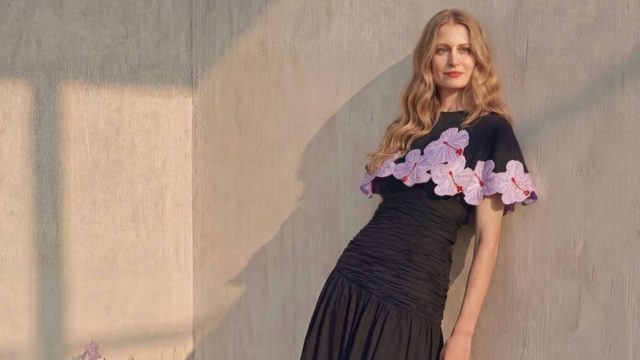
In an era dominated by fast fashion, heirloom fashion emerges as a refreshing trend that cherishes traditional craftsmanship. Brands like Ashaki are at the forefront, creating garments that not only serve as clothing but also as pieces of art and heritage. Each garment is a testament to history, handcrafted with love and dedication through traditional hand-sewing and embroidery techniques.
This growing interest in heirloom pieces reflects a larger societal shift towards sustainability. Consumers are increasingly aware of the impact of their purchasing decisions, prompting them to seek out clothing that is not only stylish but also ethically made. The fusion of vintage aesthetics with contemporary design principles allows modern women to express their individuality while honoring time-honored methods.
Why Heirloom Fashion Matters Now
The current landscape of fashion demands a shift from the disposable mentality prevalent in fast fashion. Heirloom fashion addresses this need by providing garments that are built to last, encouraging a more thoughtful approach to consumption. Here are some reasons why this trend is crucial in today’s context:
1. Promoting Sustainability
Heirloom fashion supports sustainable practices by utilizing local materials and labor. This is particularly relevant in markets like Southeast Asia, where artisans can showcase their skills and keep traditional crafts alive. Each purchase contributes to the local economy and reduces the carbon footprint associated with mass production.
2. Unique Personal Statements
In a world where many women seek individuality, heirloom garments offer exclusivity. The handcrafted nature ensures that each piece has its own story, setting the wearer apart from the crowd. A woman donning an Ashaki piece not only wears clothing but also embodies the essence of heritage and artistry.
3. Fostering Community and Tradition
The rise of heirloom fashion also strengthens community ties. By supporting local artisans, consumers help preserve cultural identities and histories that might otherwise fade away. This trend is resonating strongly in regions such as Indonesia, particularly in cities like Jakarta and Surabaya, where traditional crafts are celebrated.
4. The Intersection of Functionality and Aesthetics
Modern heirloom fashion doesn’t compromise on practicality. These garments are designed for the contemporary woman who values both style and comfort. The careful attention to detail ensures that each piece is not just aesthetically pleasing but also functional for daily wear.
Looking Ahead: The Future of Heirloom Fashion
The allure of heirloom fashion is likely to grow as more consumers recognize the value of investing in quality over quantity. The trend aligns perfectly with the global movement towards sustainability, making it a potent force in the fashion industry. As awareness spreads, more brands are expected to adopt these principles, leading to a richer diversity in fashion that celebrates heritage while addressing modern needs.
Conclusion
Heirloom fashion is not merely a fleeting trend; it represents a significant shift in how we perceive and engage with clothing. As consumers increasingly prioritize sustainability and individuality, brands like Ashaki are paving the way for a new era of fashion—one that honors the past while embracing the future. With its roots deeply embedded in culture and tradition, heirloom fashion is poised to make a lasting impact on the industry.
