
Key Takeaways
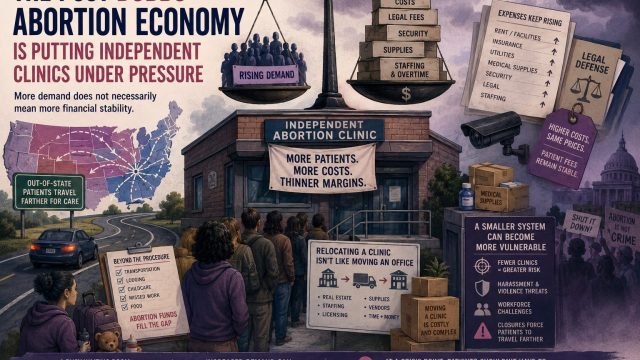
- Independent clinics are facing increased operational pressures.
- Patients are traveling longer distances seeking assistance.
- Financial stability is challenged despite heightened demand for services.
- Support for clinics is critical during this transitional period.
- Local government policies are evolving in response to these challenges.
Current Landscape for Independent Clinics
The Post-Dobbs era has reshaped the healthcare environment, particularly for independent clinics that provide essential services. These facilities, often on the front lines of patient care, are experiencing a surge in demand as individuals seek reproductive health services amid changing state laws. However, this increased demand does not equate to financial stability or operational ease.
Increased Patient Demand and Travel Distances
As many states implement restrictions or bans on abortion, patients are forced to seek care in states with fewer limitations. This reality has resulted in longer travel distances for patients. Reports indicate that clinics in states like California, New York, and Illinois are experiencing an influx of patients from states such as Texas, Louisiana, and Mississippi. For instance, a clinic in California reported a 30% increase in out-of-state patients since the Supreme Court's ruling.
Operational Challenges Faced by Clinics
The operational challenges faced by independent clinics are multifaceted. Rising costs for medical supplies, staffing shortages, and the need for expanded services to accommodate an increasing patient load have placed significant stress on these facilities. According to a recent survey, nearly 60% of independent clinics reported that they are struggling to maintain adequate staffing levels as the demand for services rises.
Financial Instability and Support Systems
Despite the increase in patient demand, financial instability continues to plague many independent clinics. Many facilities operate on tight budgets and lack the financial reserves to expand services or increase staff. This precarious situation calls for immediate attention from local governments, non-profits, and community organizations. Initiatives that provide grants and resources to these clinics are essential to ensure sustainable operations and support patient care.
The Role of Policy in Shaping Future Care
Policy changes at the state and national levels will play a critical role in determining the future of healthcare access. As states reassess their healthcare legislation, the landscape for independent clinics will continue to evolve. Advocacy for supportive policies is crucial to ensure clinics can survive and thrive in this changing environment.
Community Engagement and Support
Engaging the community is more important than ever for independent clinics. Building partnerships with local organizations and mobilizing community support can help clinics navigate these challenges effectively. Additionally, educational initiatives aimed at informing the public about available services can enhance patient access and awareness, thereby alleviating some of the pressure on these facilities.
Looking Ahead: Strategies for Sustainability
The road ahead for independent clinics may be fraught with challenges, but there are viable strategies for sustainability. Clinics can focus on diversifying their funding sources, enhancing service offerings, and leveraging technology to improve operational efficiency. By creating a robust support network and actively engaging with policy discussions, these clinics can better serve their communities amid the evolving healthcare landscape.
Conclusion
The Post-Dobbs healthcare environment has created a complex web of challenges facing independent clinics. Increased demand for services coupled with rising operational costs necessitates a recalibration of strategies and policies to support these essential providers. The future of healthcare access for many individuals may depend on the resilience and adaptability of independent clinics during this critical period.
