
Key Takeaways
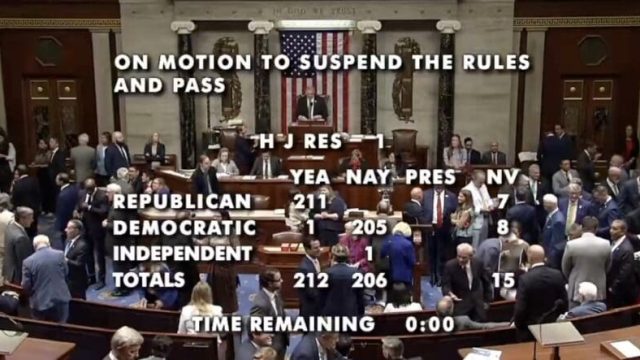
- 205 Democrats voted in favor of exploring Supreme Court expansion.
- The move is part of a broader political strategy to influence judicial outcomes.
- Opponents argue it undermines the principle of a balanced judiciary.
- Judicial expansion discussions have been contentious in recent elections.
- This issue could have lasting effects on the 2024 elections.
Understanding the Supreme Court Expansion Debate
The debate surrounding the potential expansion of the Supreme Court has gained momentum recently, especially after a decisive vote by 205 Democratic lawmakers. These representatives have indicated a willingness to consider altering the composition of the court, which traditionally consists of nine justices. This move is seen by many as an attempt to reshape the judiciary in response to perceived imbalances and partisan decisions made by the current court.
The Context of the Vote
This vote can be interpreted as a reaction to several contentious rulings that have sparked public outcry. With a Supreme Court that has leaned conservative in recent years, Democrats argue that expanding the court is necessary to ensure fair representation and judicial equity. As political tensions heighten across the United States, this proposal could become a pivotal issue in upcoming elections.
Political Implications of Court Packing
The implications of this court expansion initiative are far-reaching. Firstly, it raises questions about the integrity of the judiciary and the principle of separation of powers. Critics of the proposal assert that altering the number of justices could politicize the court further and erode public confidence in its impartiality.
Public Opinion and Electoral Impact
Public sentiment surrounding court packing is divided, with many citizens concerned about potential abuses of power. As the 2024 elections approach, this issue is likely to be a focal point for candidates, influencing voter behavior across the spectrum. In states like California and New York, where Democratic support is strong, discussions about judicial reform may galvanize grassroots movements. In contrast, more conservative areas may rally against perceived threats to the judicial system.
The Future of Judicial Independence
As the debate unfolds, the future of judicial independence hangs in the balance. The potential for court packing raises essential questions about the role of the judiciary in American democracy. Will the pursuit of political goals outweigh the long-standing tradition of judicial neutrality? This ongoing discussion is vital for understanding how governance will evolve in the United States and may resonate strongly with international observers, especially in regions like Southeast Asia where democratic institutions are still developing.
Conclusion
The recent vote among Democrats to consider expanding the Supreme Court highlights a critical juncture in American politics. As the nation grapples with issues of fairness, representation, and governance, the conversations around judicial expansion will likely intensify. Voters and political leaders alike must weigh the consequences of such actions on the foundational principles of the United States.
