
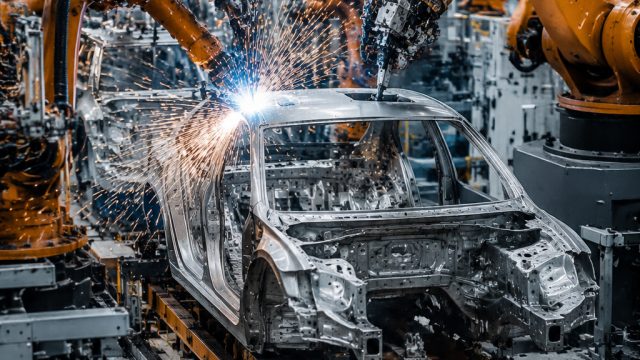
The automotive industry is on the brink of a transformative shift, with innovative alloy engineering at the forefront. Recent discussions at the Car Body Parts Conference have showcased how advancements in alloy technology are not only enhancing vehicle performance but also addressing crucial sustainability challenges. As global demand for eco-friendly manufacturing solutions rises, understanding these innovations becomes essential for automotive professionals and enthusiasts alike.
The Role of Advanced Alloys in Automotive Design
Advanced alloys, which combine metals to enhance their properties, are crucial in modern automotive design. They provide significant advantages over traditional materials, including:
- Weight Reduction: Lighter materials lead to improved fuel efficiency and performance.
- Durability: Enhanced resistance to corrosion and wear increases the lifespan of automotive components.
- Performance Enhancement: Advanced alloys can endure higher stress, making them ideal for critical safety components.
Current Trends in Alloy Development
Innovations in alloy engineering are witnessing a surge, driven largely by the need for sustainable practices and cost efficiency. Key trends include:
- Biodegradable Alloys: Research into eco-friendly materials is leading to the development of alloys that minimize environmental impact.
- Recyclable Materials: Manufacturers are focusing on creating alloys that can be easily recycled, contributing to a circular economy.
- Smart Alloys: The integration of smart materials that can adapt to different conditions is paving the way for more advanced automotive systems.
Why This Matters Now
The automotive industry is facing increasing pressure from regulatory bodies and consumers alike to adopt more sustainable practices. The shift towards innovative alloy engineering is a response to this demand, offering numerous benefits that align with both economic and environmental goals. As manufacturers begin to integrate these advanced materials into their production lines, the impact on vehicle design and performance is profound.
Environmental Implications
The push for sustainable automotive manufacturing cannot be understated. By utilizing advanced alloys, manufacturers can significantly reduce their carbon footprint. For instance, lighter vehicles require less energy to operate, thus lowering emissions. Furthermore, the use of recyclable materials contributes to the reduction of waste in landfills, supporting a healthier planet.
Market Opportunities
As the automotive sector increasingly adopts advanced alloy technologies, new market opportunities are emerging. Companies that specialize in producing these innovative materials are seeing growth, and partnerships between automakers and material scientists are becoming more common. Investment in alloy research and development is not just beneficial for the environment, but also for businesses seeking to stay competitive.
Challenges Ahead
Despite the promising advancements, several challenges remain in the integration of advanced alloys into automotive manufacturing:
- Cost of Development: Researching and producing advanced alloys can be expensive, which may deter some manufacturers.
- Supply Chain Issues: The availability of specific materials can be inconsistent, affecting production timelines.
- Technical Hurdles: Adapting manufacturing processes to accommodate new materials requires time and investment in training.
A Collaborative Future
To overcome these challenges, collaboration across the industry is vital. Automakers, material scientists, and regulatory bodies must work together to develop standards and best practices that facilitate the use of innovative alloys. By sharing insights and resources, the automotive industry can accelerate the adoption of advanced materials, leading to a more sustainable future.
Conclusion
Innovative alloy engineering is poised to revolutionize automotive manufacturing as we know it. The current trends towards sustainability and efficiency are not just a passing phase; they represent a fundamental shift in how vehicles are designed and produced. As the industry continues to evolve, staying informed about these advancements will be crucial for anyone involved in automotive care and service. At Melzaar, we are committed to keeping you updated on the latest in automotive technology and practices, helping you navigate this exciting landscape.
