
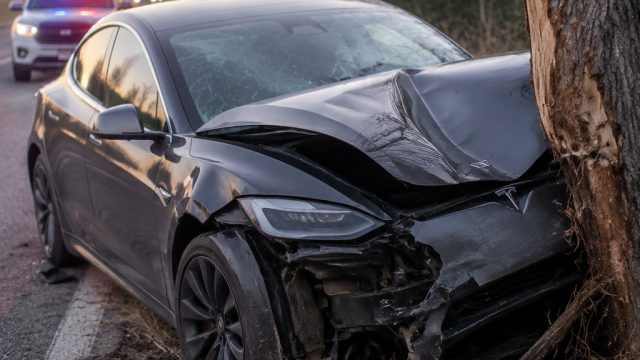
In a shocking incident that has sent ripples through the automotive community, a Tesla vehicle operating on autopilot crashed into a Texas home, resulting in a tragic fatality. The accident, which occurred in the early hours of the morning, has prompted a federal investigation into the safety of Tesla's autopilot feature.
Details of the Incident
On that fateful morning, a 76-year-old woman was killed when a Tesla Model 3, operating under the vehicle's autopilot system, veered off the road and crashed into her home. According to local authorities, the vehicle's driver was reportedly using the autopilot function, raising immediate questions about the reliability of Tesla's advanced driver-assistance technologies.
Timeline of Events
- Time of Incident: Early morning hours
- Location: Residential area in Texas
- Fatality: 76-year-old woman
- Driver's Status: Utilizing autopilot feature
Federal Investigation Launched
In the wake of the tragic accident, the National Highway Traffic Safety Administration (NHTSA) has announced a formal investigation into the circumstances surrounding the crash. This is not the first time Tesla's autopilot system has come under scrutiny; previous incidents involving Tesla vehicles have raised alarms regarding the safety of automated driving technology.
Implications for Tesla and the Automotive Industry
The implications of this investigation are vast, not only for Tesla but also for the broader automotive industry. As more manufacturers enhance their vehicles with autonomous features, the need for stringent safety measures and regulatory oversight becomes paramount.
Public Reaction and Safety Concerns
The public reaction to the incident has been one of shock and concern, with many questioning the safety of relying on autopilot technology. Safety advocates have voiced their worries about how these systems are marketed and the potential risks associated with complacency among drivers.
What Users Need to Know
- Always stay alert while using autopilot.
- Understand the limitations of driver-assistance systems.
- Report any malfunctions or concerns to the manufacturer.
The Road Ahead for Automated Driving
This incident serves as a stark reminder of the ongoing challenges in the advancement of automated driving technologies. While these systems promise increased safety and convenience, the reality is that they are still in development and cannot fully replace human drivers. As investigations unfold, it is crucial for both manufacturers and consumers to engage in discussions about the best practices for the safe use of these technologies.
Future Developments
In conclusion, Tesla's recent autopilot crash raises essential questions about vehicle safety and the responsibilities of both manufacturers and drivers. As the NHTSA investigates, it will be critical for all stakeholders in the automotive industry to reflect on the lessons learned and push for improvements that enhance the safety of all road users.
