
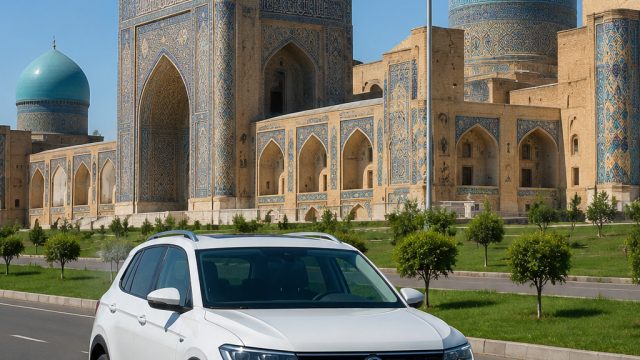
In an exciting development for car enthusiasts and industry watchers alike, Volkswagen has announced its entry into the Uzbekistan automotive market. This strategic move not only underscores the company's ambition to broaden its global footprint but also highlights the growing significance of Uzbekistan as a key player in the Central Asian automotive landscape.
Why Uzbekistan Matters for Global Automakers
Uzbekistan, with its rapidly developing economy and a population exceeding 35 million, presents a lucrative opportunity for automotive manufacturers. The country's strategic location makes it an ideal hub for both production and distribution within Central Asia. Volkswagen's decision to introduce models built in China reflects a calculated effort to capitalize on this region's growth potential, particularly as demand for automobiles continues to rise.
The Role of China in Vehicle Manufacturing
As the world's largest car market, China plays a pivotal role in the global automotive supply chain. By utilizing Chinese-built models, Volkswagen is not only reducing production costs but also accelerating its entry into new markets. This approach allows for a quicker adaptation to local preferences while ensuring high-quality standards. The collaboration with Chinese manufacturers also indicates a shift towards more integrated supply chain strategies among automakers.
Volkswagen's Strategic Model Offerings
Volkswagen plans to introduce a range of models tailored for the Uzbek market. This includes compact cars and SUVs that cater to local consumer preferences, which tend to favor vehicles that offer both style and functionality. The specifics of the models to be launched are still under wraps, but expectations are high given Volkswagen’s reputation for quality and innovation.
Targeting the Young and Growing Demographic
The average age in Uzbekistan is relatively low, with many consumers eager to embrace modern vehicle technologies and designs. Volkswagen's new offerings are expected to resonate well with this demographic, which is increasingly looking for vehicles that not only meet their needs but also reflect their lifestyle aspirations. This focus on younger buyers is a strategic move that could pay off for the brand.
Potential Economic Impacts
Volkswagen's entry into Uzbekistan is likely to have significant implications for the local economy. The establishment of assembly plants and dealerships will create job opportunities, enhancing the skill set of the local workforce while boosting the economy. Furthermore, increased competition in the automotive sector can lead to improved consumer choices and price competitiveness.
Enhancing Local Supply Chains
- Investment in local suppliers to ensure a steady flow of parts and materials.
- Development of training programs for local workers in automotive manufacturing processes.
- Collaboration with local businesses to foster a robust automotive ecosystem.
What This Means for Consumers and the Industry
The arrival of Volkswagen's models in Uzbekistan is not just a win for the brand but also for consumers. With a greater variety of vehicles available, buyers will benefit from more choices, competitive pricing, and improved after-sales services. Additionally, this could inspire other automakers to explore opportunities in the Uzbek market, leading to a more dynamic automotive landscape.
Looking Ahead: The Future of Volkswagen in Uzbekistan
As Volkswagen embarks on this new chapter in Uzbekistan, the automotive industry will be watching closely. The success of this venture could encourage further investments in the region, fostering a more robust and diverse automotive market. It also sets a precedent for how global brands can adapt and thrive in emerging markets.
Conclusion
Volkswagen's entry into Uzbekistan marks a significant milestone in the automotive industry, showcasing the potential for growth and innovation in Central Asia. As the company rolls out its Chinese-built models, it is poised to transform the landscape of the local market. For car buyers in Uzbekistan, this could mean exciting new options that combine quality with affordability. The coming months will be crucial in assessing the impact of this strategic move, but the outlook is undoubtedly promising.
