
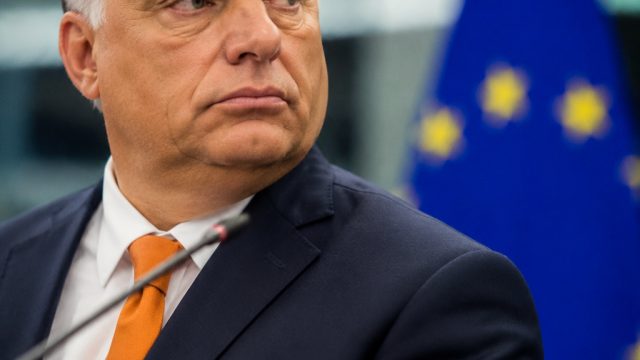
In a significant move that has raised eyebrows across Europe, Hungary has blocked essential procedural steps required to expedite the European Union's accession negotiations with Ukraine and Moldova. This unexpected decision has sparked debates about Hungary's role in EU politics and the broader implications for Eastern Europe.
The Context of Hungary's Decision
On June 15, the European Union officially opened the first negotiating cluster with Ukraine and Moldova, signaling a momentous step toward integration for these countries. However, Hungary's recent refusal to agree to a critical procedural measure has halted momentum, leaving both nations in a state of uncertainty regarding their EU aspirations.
What Does This Mean for Ukraine and Moldova?
The accession talks represent more than just bureaucratic procedures; they are symbolic of hope for both Ukraine and Moldova. With the ongoing conflict in Ukraine and Moldova's aspirations for greater stability and prosperity, the EU accession process is seen as a pathway to security and support from Western allies.
- Security Concerns: As Ukraine continues to defend itself against aggression, EU membership could provide a robust security framework.
- Economic Growth: Integration into the EU market could unleash significant economic opportunities for both nations.
- Political Stability: EU membership could foster democratic reforms and political resilience in both countries.
Understanding Hungary's Position
Hungary's decision is not merely an isolated incident; it reflects the complex relationships within the EU. Budapest has often positioned itself as a defender of national sovereignty and has voiced concerns over EU's influence in domestic affairs.
Hungary's Historical Context
Understanding Hungary's historical perspective is crucial. Recent years have seen a rise in nationalist sentiments, with leaders emphasizing the importance of protecting national interests against perceived external pressures from Brussels.
Implications for EU Unity
This latest development raises questions about the unity of the EU. Hungary's stand could embolden other member states with similar agendas, potentially fracturing the collective approach to pressing issues such as enlargement and foreign policy.
The Broader Implications for Eastern Europe
The ramifications of Hungary's actions extend beyond its borders, affecting the entire Eastern European region. Countries like Poland, Romania, and the Baltic states are closely observing these developments, as they have their own interests in the stability and integration of Ukraine and Moldova.
Regional Security Dynamics
As tensions remain high in Eastern Europe, any delay in EU accession for Ukraine and Moldova could affect regional security. A strong EU presence is viewed as a deterrent against potential threats, making Hungary's decision more critical in the current geopolitical climate.
Potential Responses from the EU
The European Union may need to reassess its strategies in response to Hungary's blockade. Possible actions include:
- Diplomatic Engagement: Renewed efforts to engage Hungary in dialogue about its concerns.
- Policy Adjustments: Re-evaluating membership incentives to appeal to hesitant member states.
- Strengthening Support for Ukraine and Moldova: Increased financial and military support to maintain stability.
Conclusion: The Path Forward
As the EU grapples with Hungary's decision, the future of Ukraine and Moldova's accession remains in limbo. The stakes are high, not just for these nations, but for the European Union's cohesion and credibility. As we watch these events unfold, it becomes increasingly clear that the road to EU accession is fraught with challenges, but also ripe with opportunities for transformative change in Eastern Europe.
