
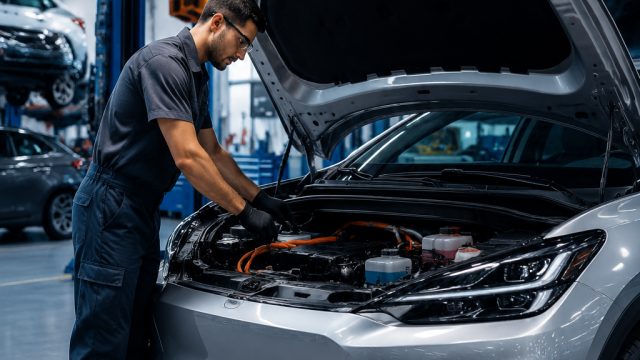
The Future of Automotive Care: Embracing Electric Vehicle Maintenance
As electric vehicles (EVs) gain popularity, automotive care and service providers must adapt to the evolving landscape of vehicle maintenance. With the rise of EVs on our roads, understanding the unique needs of these vehicles is crucial for automotive professionals and car owners alike.
Understanding Electric Vehicle Maintenance
Electric vehicles operate differently than traditional combustion engine vehicles, which requires a shift in service paradigms. Unlike gas-powered cars, EVs have fewer moving parts, resulting in less frequent maintenance needs. However, this does not mean that they are maintenance-free. Key components, such as the battery, electric motor, and regenerative braking systems, require specialized knowledge and care.
The Importance of Specialized Training
To provide quality service to EV owners, automotive technicians need specialized training in electric vehicle systems. This includes understanding battery management systems and electric drive systems. Continuous education is essential for service providers to stay updated on the latest EV technologies and maintenance practices. As more consumers shift to electric vehicles, having trained technicians will be a significant advantage for service shops.
Key Maintenance Areas for Electric Vehicles
While electric vehicles require less routine maintenance than traditional cars, there are still essential areas that must be addressed:
- Battery Care: The battery is the heart of an electric vehicle. Regular checks on battery health, software updates, and cooling system maintenance are crucial for optimal performance.
- Tire Maintenance: Like any vehicle, tires require regular inspection and replacement. However, EVs tend to be heavier due to their batteries, which may lead to faster tire wear.
- Braking Systems: EVs utilize regenerative braking, which can change the wear patterns on brake pads and rotors. Understanding these differences is vital for proper service.
Adapting Automotive Parts Supply
As the market for electric vehicles expands, the demand for specific parts will also rise. Automotive parts suppliers are beginning to stock more EV-specific components, such as high-voltage cables, battery packs, and electric motors. Service centers must develop partnerships with suppliers who can provide quality EV parts to ensure they can meet the needs of their customers.
Conclusion: A Transformative Shift in Automotive Care
The shift towards electric vehicles signifies a transformative change in automotive care. By embracing specialized maintenance practices and ongoing education, service providers can successfully navigate this new landscape. As we move forward, focusing on electric vehicle maintenance will not only cater to a growing customer base but also enhance the industry's overall sustainability and efficiency.
