
The Importance of Regular Automotive Maintenance
In today's fast-paced world, our vehicles are more than just a mode of transportation; they are an integral part of our daily lives. Thus, ensuring their longevity through regular maintenance is key. Neglecting necessary upkeep can lead to unexpected breakdowns, costly repairs, and even safety hazards on the road. In this article, we will provide essential tips on how to keep your vehicle in top shape, maximizing its lifespan and performance.
1. Understand Your Vehicle's Maintenance Schedule
Every vehicle comes with a manufacturer’s maintenance schedule that outlines when specific services should be performed. This schedule includes routine tasks such as oil changes, tire rotations, and brake inspections. Staying informed and adhering to this timeline is crucial for maintaining your car’s health.
2. Regular Oil Changes
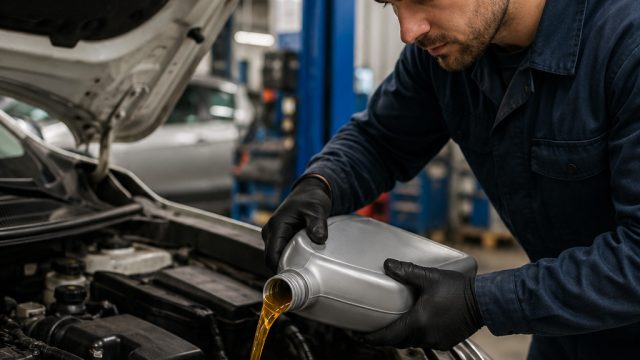
Oil is the lifeblood of your engine, and regular oil changes are vital to keeping your engine running smoothly. Dirty oil can lead to engine wear and failure over time. It’s advisable to change your oil every 3,000 to 5,000 miles, though some modern engines can go longer. Always use the oil type recommended by the manufacturer for optimal performance.
3. Check and Replace Filters
Air and oil filters play a significant role in the performance of your vehicle. A clogged filter can reduce fuel efficiency and engine performance. Ensure that you check your filters regularly and replace them as needed to keep your engine clean and running efficiently.
4. Tire Maintenance
Tires are the only contact your vehicle has with the road, making proper tire maintenance crucial. Regularly check tire pressure, tread depth, and alignment. Uneven tire wear can affect handling and fuel efficiency. Rotate your tires every 6,000 to 8,000 miles to promote even wear and extend their lifespan.
5. Brake Inspection
Brakes are a critical safety component of any vehicle. Regular inspections can identify issues before they become serious problems. Listen for unusual noises, like squeaking or grinding, and feel for changes in braking performance. If you notice any issues, visit a qualified technician immediately.
6. Battery Care
Your car’s battery is essential for starting the engine and powering electrical systems. Regularly check battery terminals for corrosion and ensure a secure fit. If your battery is more than three years old, consider having it tested to prevent unexpected failures.
7. Engine Coolant and Fluid Levels
Maintaining proper coolant levels is crucial to prevent engine overheating. Check your coolant reservoir regularly and top it off with the appropriate type of coolant. Additionally, check levels of other fluids such as brake fluid, transmission fluid, and power steering fluid to keep systems running smoothly.
8. Professional Inspections
While many maintenance tasks can be handled by vehicle owners, regular professional inspections are essential. A certified mechanic can catch issues that may be overlooked and provide expertise in maintaining your vehicle’s overall health. Aim for a thorough professional inspection at least once a year.
Conclusion
By following these maintenance tips, you can significantly extend the lifespan of your vehicle and ensure it remains reliable for years to come. Regular automotive care not only saves you money in the long run but also enhances safety and performance on the road. For more expert advice and professional service, visit melzaar.com, your go-to resource for quality automotive care.
