
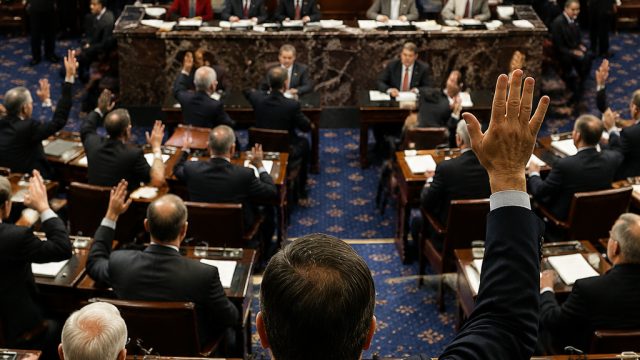
In an unexpected turn of events, the U.S. Senate has voted to pass a crucial resolution aimed at limiting presidential powers regarding military action in Iran. This vote marks a significant shift in the legislative approach to foreign policy and reflects growing concerns among lawmakers about unchecked military engagement without Congressional oversight.
The Background of the Resolution
The resolution comes on the heels of escalating tensions between the United States and Iran, which have raised alarms about potential military confrontations. In recent months, several incidents involving Iranian forces have sparked debates in Congress about the balance of war powers. This vote not only serves to rein in presidential authority but also illustrates a rare moment of bipartisan collaboration in a typically polarized political landscape.
Why Now?
- Escalating Tensions: The ongoing confrontations in the Middle East have reignited discussions about U.S. military involvement.
- Bipartisan Agreement: Lawmakers from both parties recognize the necessity for a check on executive power, promoting a more accountable governance.
- Public Concern: With the public increasingly wary of foreign military actions, representatives feel pressured to align with constituents' desires for peace and diplomacy.
Implications of the Senate's Decision
The Senate's vote represents more than just a procedural change; it signals a potential recalibration of U.S. foreign policy moving forward. By asserting Congressional authority over military action, this resolution could serve as a template for future engagements, shaping how the nation approaches conflicts abroad.
Potential Outcomes
- Increased Congressional Oversight: The resolution could lead to more stringent controls on military engagement, requiring the president to seek Congressional approval before taking action.
- Shift in Military Strategy: A more cautious approach to international military commitments may emerge, emphasizing diplomacy over aggression.
- Influence on Future Administrations: This precedent may affect how subsequent presidents engage with foreign conflicts, potentially altering the power dynamics between the executive and legislative branches.
Analysis from Experts
Political analysts and foreign policy experts have expressed mixed opinions about the Senate's recent actions. Some applaud the move as a restoration of checks and balances in government, while others caution that it could limit the country's ability to respond swiftly to international threats.
Expert Opinions
"This resolution is a critical step toward ensuring that military decisions undergo necessary scrutiny. It’s about returning power to Congress, where it belongs," says Dr. Jane Thompson, a political scientist at Georgetown University.
Conversely, military strategist John Miller argues, "In times of immediate threat, requiring Congressional approval can hinder rapid response capabilities, potentially jeopardizing national security."
Conclusion
The Senate's vote to limit war powers concerning Iran is not only a response to current tensions but also a crucial moment in redefining U.S. foreign policy. As the political landscape continues to evolve, it will be essential to monitor how this resolution influences future military engagements and the broader implications for governance in America.
Stay informed about the latest developments in U.S. politics and foreign relations by visiting melzaar.com for updates and expert insights.
