
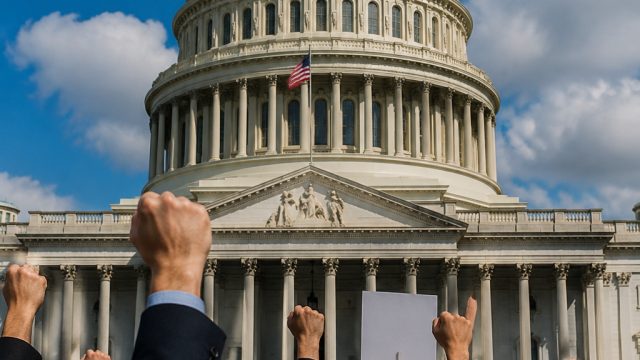
In an unprecedented move, Congress has approved a war powers measure aimed at curbing the executive branch's military authority, particularly concerning engagements in Iran. This legislative action not only reinforces congressional oversight but also signals a significant shift in the balance of power regarding military decisions. With increasing global tensions and the volatile situation in the Middle East, this decision arrives at a critical juncture in U.S. foreign policy.
Understanding the New War Powers Measure
The newly enacted war powers measure grants Congress greater authority to influence military operations abroad. Specifically, it mandates that the President seek congressional approval before engaging in military actions that could escalate conflicts, particularly in Iran. This initiative emerges from ongoing concerns about unilateral military actions that could lead to unwanted escalation and conflict.
Key Provisions of the Measure
- Mandatory Congressional Approval: The President must obtain consent from Congress before initiating military action in Iran or related conflicts.
- Transparency Requirements: The administration is required to provide detailed reports to Congress regarding military strategies and objectives.
- Regular Reviews: The measure stipulates periodic evaluations of ongoing military operations to assess the necessity and effectiveness of U.S. involvement.
Implications for U.S. Foreign Policy
The passage of this war powers measure represents a landmark moment in U.S. governance and foreign policy. It reflects a growing demand from the public and lawmakers for transparency and accountability in military engagements. As the global landscape becomes increasingly complex, this measure seeks to restore a checks-and-balances approach to U.S. military actions.
Public Response and Political Dynamics
The response to this legislative change has been mixed. Advocates argue that greater congressional oversight is essential in preventing unnecessary military conflicts and maintaining a democratic process. Critics, however, claim that such measures could hinder the executive branch's ability to act swiftly in times of crisis.
Political dynamics surrounding this issue are further complicated by strong opinions on both sides of the aisle. With midterm elections on the horizon, lawmakers are acutely aware of their constituents’ views on military involvement and foreign policy, making this measure a pivotal point of discussion in upcoming campaigns.
The Future of Military Engagement
As the U.S. navigates its role on the global stage, the war powers measure may set a precedent for future military engagements. It emphasizes a collaborative approach between Congress and the executive branch, ensuring that critical decisions are made with a broader consensus.
Potential Consequences for Ongoing Conflicts
This legislative change may also have repercussions for ongoing military operations in other regions. Should similar measures be adopted concerning other conflicts, we could see a significant shift in how the U.S. utilizes military force. The emphasis on congressional approval could slow decision-making processes but also promote more thoughtful engagement in international affairs.
Conclusion: A New Era of Accountability
In conclusion, the passage of the war powers measure signifies a transformative step towards greater accountability and legislative oversight in U.S. military affairs. As Congress asserts its role in foreign policy decision-making, citizens must remain informed and engaged with these developments. The future of military engagement may be changing, and it is crucial for the public to stay abreast of such pivotal legislative actions that shape not only national security but also the very fabric of democracy itself.
