
Setting the Stage for Change
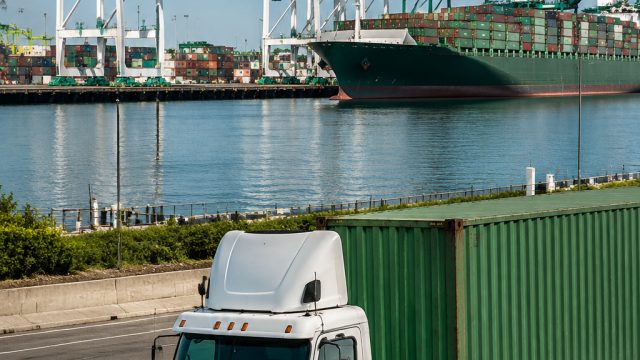
As global shipping demands rise, ports around the world face increasing pressure to innovate and adapt. At the forefront of these changes is the Port of Long Beach, the busiest port in North America. Recently, we had the opportunity to speak with Dr. Noel Hacegaba, the esteemed CEO of the port, about his vision for a more sustainable future in maritime shipping.
Greener Operations on the Horizon
Dr. Hacegaba's leadership is characterized by a commitment to reducing the ecological footprint of one of the world’s busiest trade gateways. Under his guidance, the Port of Long Beach has implemented various initiatives aimed at enhancing operational efficiency while minimizing environmental impact.
Embracing Technological Innovations
One key aspect of the port’s strategy involves the adoption of advanced technologies. Dr. Hacegaba highlighted several groundbreaking innovations:
- Automated Cargo Handling: The introduction of automated systems has increased efficiency in cargo handling, reducing wait times and emissions.
- Electric Equipment: Transitioning to electric cranes and trucks has significantly lowered greenhouse gas emissions, making operations cleaner.
- Blockchain for Transparency: Implementing blockchain technology will enhance supply chain transparency, enabling stakeholders to track cargo more efficiently.
Community Engagement and Economic Impact
Dr. Hacegaba also stressed the importance of community engagement. The port not only serves as a critical commercial hub but also aims to be a responsible neighbor.
Job Creation and Economic Growth
With ongoing modernization efforts, the Port of Long Beach is a significant driver of economic development. The CEO explained how the port plans to create more jobs while fostering environmentally sustainable practices.
- Investment in green technologies leads to new job opportunities in tech and logistics sectors.
- Community programs focus on local hiring, ensuring that benefits extend beyond the port's gates.
- Collaboration with educational institutions aims to prepare the future workforce for high-demand roles.
Why This Matters Now
The urgency for ports to adopt sustainable practices has never been greater. As climate change continues to pose severe risks to global ecosystems and economies, Dr. Hacegaba emphasized that now is the time for proactive measures. The Port of Long Beach is not merely reacting to these challenges; it is setting the standard for others to follow.
A Call to Action for Other Ports
Dr. Hacegaba believes that for the maritime industry to thrive, other ports must also embrace change:
- Collaboration among ports can drive collective advancements in sustainability.
- Sharing best practices and technological solutions can elevate the entire industry's environmental standards.
- Investment in infrastructure that prioritizes sustainability is crucial for the future of global trade.
Conclusion
The conversation with Dr. Noel Hacegaba illuminated the path forward for the Port of Long Beach and the broader shipping industry. With its commitment to innovation, community engagement, and environmental stewardship, the port is poised to lead the way in transforming maritime logistics. As we navigate the challenges of the 21st century, initiatives like those at the Port of Long Beach provide a hopeful blueprint for sustainable shipping and economic resilience.
