
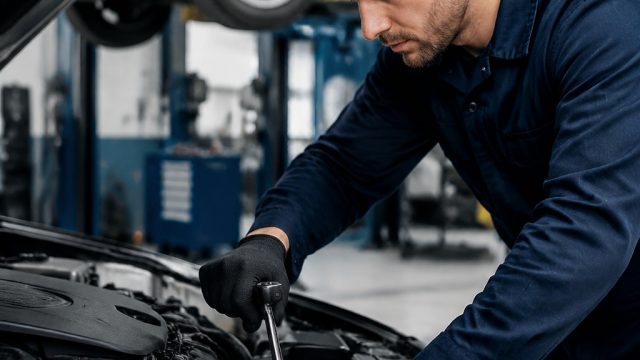
Unlocking the Secrets of Efficient Vehicle Maintenance
Owning a vehicle comes with the responsibility of ensuring it remains in optimal condition. Regular maintenance is crucial not just for the longevity of your car but also for your safety on the road. In this comprehensive guide, we will explore key maintenance practices, the role of automotive parts, and tips to keep your vehicle running efficiently.
The Importance of Regular Maintenance
Automotive experts agree that regular maintenance can save car owners significant amounts of money in the long run. From engine checks to fluid replacements, timely maintenance can prevent major issues from developing. A well-maintained vehicle is less likely to break down unexpectedly, providing peace of mind for drivers.
Essential Maintenance Tasks
To keep your vehicle in top condition, consider the following maintenance tasks:
- Oil Changes: Regular oil changes are vital. They keep your engine parts lubricated and functioning properly. Most manufacturers recommend changing the oil every 5,000 to 7,500 miles.
- Brake Inspections: Brakes are one of the most critical components of your vehicle. Regular inspections will ensure they are working efficiently, providing safety and performance.
- Fluid Levels: Check and top off fluids regularly, including brake fluid, coolant, and transmission fluid. Each fluid plays a crucial role in your vehicle's operation.
- Tire Maintenance: Rotate your tires every 5,000 to 7,500 miles to ensure even wear and extend their lifespan. Also, keep an eye on tire pressure for optimal performance.
The Role of Quality Auto Parts
Using high-quality automotive parts is essential for effective maintenance. Low-quality parts can lead to further mechanical issues and may need to be replaced more frequently. When servicing your vehicle, ensure that you source parts from reputable suppliers.
DIY vs. Professional Service
While many maintenance tasks can be performed by vehicle owners, some may require specialized knowledge and tools. Simple tasks like changing oil or air filters can often be done at home, but for more complex services, consulting a professional is recommended. Professionals can diagnose issues that may not be apparent to the average driver.
Keeping Track of Your Vehicle’s Service History
Maintaining a detailed service history for your vehicle is beneficial for both resale value and ensuring it's always well cared for. Keep a record of all maintenance activities, including dates, services performed, and parts replaced. This documentation can also be useful for mechanics to understand your vehicle's history.
Final Thoughts
Efficient vehicle maintenance is not just about keeping your car running; it’s about ensuring your safety and investing in the longevity of your vehicle. By committing to regular service and using quality parts, you create a smoother driving experience and minimize long-term costs. For more automotive care tips and services, visit us at Melzaar.com!
