
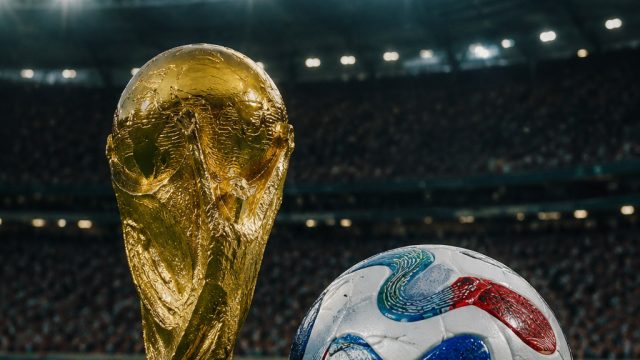
The 2026 FIFA World Cup promises to be a groundbreaking event, showcasing an expanded format that will significantly change the dynamics of international soccer. This tournament marks the first time the competition will feature 48 teams, up from the traditional 32, introducing a fresh layer of excitement and complexity to the game. As fans prepare for this monumental occasion, understanding the new structure and its implications is crucial.
The Expanded Format: A New Playing Field
With 48 nations participating, the World Cup will be split into 12 groups of four teams each. This alteration not only increases the number of matches but also enhances the competition level, as more teams from diverse regions will have the chance to showcase their talents on a global stage.
The Group Stage Breakdown
During the group stage, each team will play three matches, facing each of their group opponents. The significance of these matches cannot be overstated, as they will determine who advances to the knockout rounds. The top two teams from each group, alongside the eight best third-placed teams, will move forward, making every match critical.
- 12 groups of 4 teams each
- Teams play three matches in the group stage
- Top two from each group plus eight best third-placed teams advance
Tiebreakers: What Happens if Teams Finish Equal?
As the saying goes, not all heroes wear capes. In the context of the World Cup, the heroes could very well be the tiebreakers that determine which teams progress to the knockout stage. With more teams and potential ties, understanding these factors is essential for fans and players alike.
Breakdown of Tiebreaker Rules
In the event that teams finish the group stage with equal points, FIFA has implemented a set of tiebreaker rules:
- Goal difference in all group matches
- Goals scored in all group matches
- Points obtained in matches between the tied teams
- Goal difference in matches between the tied teams
- Goals scored in matches between the tied teams
- Fair Play points
- Random draw
These criteria ensure a robust and fair evaluation of team performance, giving every match its due significance.
Implications for Teams and Fans
The transformation in tournament structure not only alters the approach for teams but also significantly impacts fans' experience. With more opportunities for diverse nations to compete, supporters can look forward to witnessing emerging talents and underdog stories.
What Fans Should Anticipate
The upcoming World Cup is set to be a feast for soccer fans, bringing unparalleled excitement and unpredictability. Here’s what to keep an eye on:
- Increased match variety with 48 teams
- More opportunities for thrilling upsets
- The chance for lesser-known nations to shine
- Memorable moments from the expanded format
This World Cup will not only redefine the competitive landscape but also elevate the passion and engagement surrounding the event.
Conclusion: Gear Up for the Change
As we approach the World Cup 2026, the excitement is palpable. The new format invites increased participation and a fresh competitive spirit. Understanding how these changes affect the tournament's structure and rules allows fans to fully appreciate the game. So let's gear up for an unforgettable World Cup experience, where every match holds the potential for history to be made! Stay tuned for updates and insights as the tournament approaches, and prepare to cheer on your favorite teams as they make their mark on the world stage!
