
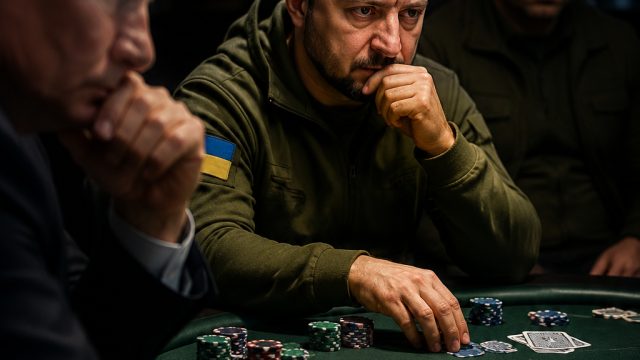
The ongoing conflict between Ukraine and Russia has entered a critical phase as Ukraine intensifies its military efforts, revealing a series of strategic maneuvers aimed at elevating the economic and logistical burdens on Russia. As Ukraine adopts these new tactics, it not only challenges Russia's military resolve but also reshapes the geopolitical landscape, prompting global reactions and considerations.
Heightened Military Engagement and Economic Strain
Recent developments indicate that Ukraine is effectively raising the stakes in the ongoing war by targeting key Russian supply lines and energy resources. The implications of these actions are profound, as they not only weaken Russia's operational capabilities but also put immense pressure on its economy. This shift in tactics is critical for several reasons.
Impact on Russia’s Energy Supply
- Disruption of Fuel Supply: Ukraine's counteroffensive has led to significant disruptions in fuel supply chains, as evidenced by attacks on Russian refineries and supply routes.
- Economic Repercussions: The rising cost of war for Russia translates into increased economic strain, pushing the Kremlin to reconsider its strategies.
- Strategic Resource Allocation: With resources being stretched thin, Russia faces tough decisions about where to commit its military assets.
Geopolitical Reactions and International Dynamics
The response from the international community has been swift, with various nations expressing support for Ukraine’s efforts. This renewed engagement highlights not only the humanitarian aspects but also the broader geopolitical ramifications of the conflict. As Ukraine's military efforts gain momentum, the global political landscape is also evolving.
Western Support and Military Aid
Western nations have ramped up military assistance to Ukraine, recognizing that its success is pivotal not only for local stability but also for maintaining a balance of power in Europe.
- Increased Military Aid: Countries such as the United States have pledged additional military resources, including advanced weaponry.
- Intelligence Sharing: Enhanced intelligence collaboration has become crucial for Ukraine to navigate and counter Russian strategies effectively.
- Sanctions on Russia: The West continues to impose sanctions aimed at crippling Russia's economy, further exacerbating the challenges faced by the Kremlin.
Challenges Ahead: The Path Forward for Ukraine
Despite the current momentum, Ukraine faces several challenges that could impact its long-term strategy. These challenges are not only military but also involve managing international expectations and domestic stability.
Military and Logistical Challenges
- Resource Management: Effective management of military supplies and logistics remains a critical challenge for Ukraine’s armed forces.
- Maintaining Morale: Ensuring that troops remain motivated amid prolonged conflict is essential for sustaining offensive operations.
- Securing International Support: Ukraine must continue to navigate the complex landscape of international politics to ensure ongoing support.
Conclusion: A Turning Point in the Conflict
As Ukraine moves forward with its counteroffensive strategy, the stakes have never been higher. The new approach not only raises the cost of conflict for Russia but also serves as a reminder of the significant toll that modern warfare takes on nations. Global observers are keenly watching the unfolding events, knowing that the decisions made in the coming weeks could define the future of the region for years to come. Ukraine's resilience and determination will be crucial as it seeks to secure a favorable outcome in this ongoing struggle.
