
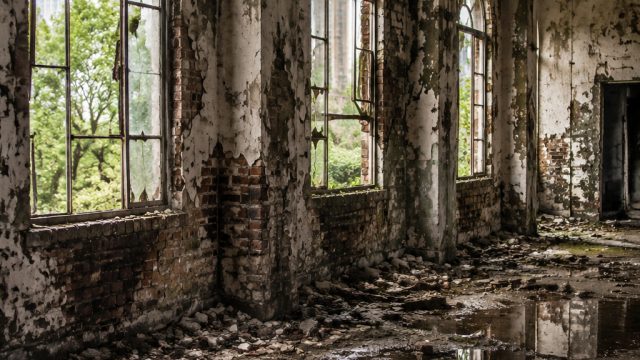
Recent concerns have emerged regarding an increasing number of derelict properties owned by the government, highlighting an urgent need for intervention. These neglected buildings not only diminish the aesthetic value of communities but also pose significant safety risks and economic challenges. Addressing these issues is crucial to revitalizing urban areas and enhancing community well-being.
The Scope of the Problem
As urban decay becomes more prevalent, many state-owned properties lie abandoned, leading to negative repercussions for local neighborhoods. The Cabinet has been alerted to the alarming state of these buildings, which are often overrun with vegetation, attract vandalism, and serve as shelters for illicit activities. This situation necessitates a comprehensive approach to property management by government officials.
Impact on Communities
- Safety Hazards: Derelict properties can be dangerous, posing risks like fire hazards, structural collapses, and attracting criminal activity.
- Economic Decline: Abandoned sites can deter investment and lead to declining property values in surrounding areas.
- Community Morale: The presence of neglected buildings can affect residents' mental well-being and sense of pride in their neighborhoods.
Government's Role in Revitalization
Government action is pivotal in tackling the issue of derelict properties. By developing strategic plans for renovation, sale, or demolition, officials can address urban decay head-on. Engaging local communities in these plans ensures that revitalization efforts align with residents' needs and aspirations.
Strategies for Action
- Assessment and Inventory: Conducting a thorough evaluation of derelict properties helps identify priority areas for intervention.
- Partnerships with Local Organizations: Collaborating with community groups can foster innovative solutions and mobilize resources for revitalization.
- Financial Incentives: Offering grants or tax incentives to developers willing to invest in these properties can stimulate economic growth.
- Community Engagement: Involving residents in decision-making processes creates a sense of ownership and commitment to restoring the area.
The Economic Benefits of Revitalization
Investing in the restoration of abandoned state properties has far-reaching economic benefits. Not only can it attract new businesses and residents, but it can also enhance the overall quality of life in the area. Revitalized neighborhoods are more likely to see increased foot traffic, improved local economies, and enhanced property values.
Examples of Successful Initiatives
Across various regions, certain strategies have proven effective in transforming derelict sites into vibrant community hubs. For instance:
- Transformation Projects: Initiatives that convert abandoned buildings into residential units or community centers have revitalized neighborhoods.
- Public Art Installations: Transforming neglected spaces into areas for public art has drawn visitors and fostered community pride.
- Green Spaces: Developing parks or community gardens on vacant lots can enhance neighborhood aesthetics and provide recreational opportunities.
Conclusion: The Time for Action is Now
The challenge of abandoned state properties is urgent and demands immediate action from government officials, policymakers, and local communities. By addressing these issues head-on, we can create safer, more vibrant neighborhoods that foster economic growth and enhance the quality of life for all residents. The need for effective property management strategies has never been more critical—let’s advocate for a future where our communities thrive, free from the blight of neglect.
