
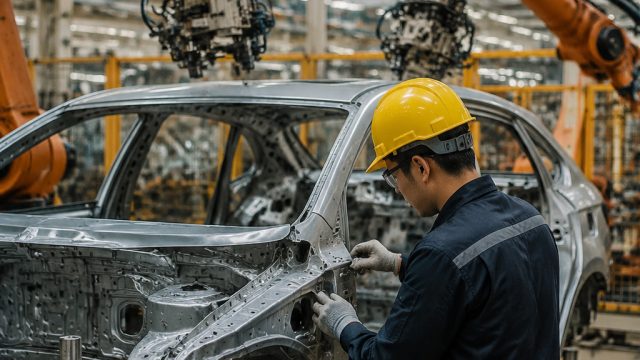
The automotive sector in China is rapidly evolving into a significant driver of economic expansion. As the world's largest automobile market, China’s strategies and consumer behavior have a profound impact not only on domestic growth but also on global automotive trends. Recent developments indicate that the auto industry is increasingly being viewed as a critical lever for boosting consumption and stimulating overall economic health.
The Role of Autos in China's Economic Landscape
China's government has recognized the potential of the auto industry in enhancing consumer spending. With initiatives aimed at encouraging purchases of electric vehicles (EVs) and combustion engine cars alike, the aim is to stimulate demand amidst a fluctuating economy. More than ever, the automotive sector is being positioned as an essential catalyst for broader economic recovery.
Government Initiatives and Market Response
The Chinese government has introduced several policies intended to support the automotive industry. These include:
- Subsidies for electric vehicle purchases
- Tax breaks for manufacturers
- Infrastructure investments for charging stations
These measures have not only encouraged consumers to invest in new vehicles but have also spurred manufacturers to innovate, particularly in the EV space. As global concerns about climate change rise, China’s push towards electric vehicles is timely and aligns with international sustainability goals.
Shifting Consumer Preferences
As consumer preferences evolve, so does the auto market. Today's buyers are more informed and demand higher standards in quality, technology, and sustainability. According to recent data, electric vehicles and smart cars are gaining unprecedented popularity among consumers, reflecting a shift towards environmentally friendly options.
Market Trends and Innovations
Key trends currently shaping the market include:
- Adoption of Advanced Technologies: Many manufacturers are integrating cutting-edge technology into their vehicles, enhancing safety and user experience.
- Focus on Sustainability: As consumers prioritize eco-friendliness, more automakers are investing in sustainable production methods and materials.
- Shared Mobility Solutions: Ride-sharing and car-sharing options are becoming increasingly popular, especially in urban areas.
These innovations are making cars not only a mode of transport but also a lifestyle choice that aligns with contemporary values.
Global Implications and Future Outlook
The implications of China's automotive advancements extend beyond its borders. As the country continues to lead in production and consumption, global markets are taking notice. Automakers worldwide are adapting their strategies to align with China's trends, particularly in the electric vehicle market.
International Partnerships and Collaborations
China's automotive industry is increasingly engaging with international partners to foster innovation and expand market reach. Collaborations with global technology firms are enhancing automotive technologies, from AI to battery development.
Some examples of such partnerships include:
- Joint ventures with foreign automakers
- Collaborations with tech firms for autonomous driving solutions
- Research partnerships focusing on sustainable battery technology
These alliances are not only improving vehicle offerings but also ensuring that Chinese automakers remain competitive on the global stage.
Conclusion: Navigating the Future of Automotive in China
As China navigates through economic challenges, the automotive industry stands out as a beacon of resilience and growth. By embracing technological advancements and responding to consumer demands, the sector not only supports economic recovery but also sets a precedent for other industries. With the potential for further growth and innovation, the future of China’s auto industry looks promising, making it an essential area of focus for policymakers, businesses, and consumers alike.
