
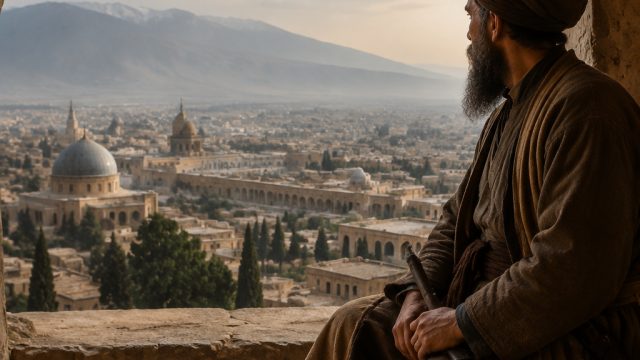
The history of Iran in the eighteenth century is marked by chaos and transformation, making it a significant period that continues to influence contemporary discussions surrounding Middle Eastern geopolitics. As we delve into this epoch, we uncover the profound implications of the civil strife and foreign invasions that reshaped Iran's national identity. Understanding this era is crucial for gaining insights into current events in the region.
Background: The Safavid Dynasty's Decline
By the early 1700s, the Safavid dynasty had ruled Persia for over 200 years, fostering a rich cultural heritage and promoting Shi'ism as the state religion. However, internal strife began to erode the foundations of this once-powerful dynasty.
Political Fragmentation
- Corruption and mismanagement weakened the central authority.
- Local governors became increasingly autonomous, creating a fragmented political landscape.
- Religious factions fueled discord, leading to social unrest.
The Afghan Invasion of 1722
In a dramatic turn of events, a coalition of Afghan tribes launched a formidable offensive against the Safavid empire in 1722. Led by Mahmud, the Afghan forces succeeded in a siege of the capital city, Isfahan, culminating in the fall of the Safavid dynasty.
The Aftermath: Decades of Turmoil
The defeat of the Safavid dynasty plunged Iran into a period of instability that lasted nearly seventy years. During this tumultuous phase, the country was ravaged by both civil war and foreign intervention.
Internal Conflicts
- Numerous factions vied for power, leading to a prolonged civil war.
- Families and tribes often engaged in violent disputes over territory and influence.
- The economy suffered drastically due to continuous conflicts.
Foreign Involvement
In addition to internal strife, foreign powers seized the opportunity to meddle in Iran's affairs.
- Russia and the Ottoman Empire actively sought to expand their influence in the region.
- Economic sanctions and military interventions further destabilized the country.
- Iran's rich resources became a target for exploitation by neighboring powers.
The Rise of the Qajar Dynasty
It was not until the establishment of the Qajar dynasty in the late 18th century that Iran began to recover from the chaos. The Qajars managed to consolidate power and restore a semblance of order.
Restoration of Central Authority
The Qajar rulers implemented several reforms aimed at stabilizing the country:
- Centralized administration to curb the power of local governors.
- Reconstruction of infrastructure to revive trade and economic activity.
- Engagement with Western powers to modernize military capabilities.
Cultural Resurgence
Alongside political stability, the Qajar era witnessed a cultural revival:
- Development of Persian art, literature, and architecture flourished.
- Iran's rich heritage was celebrated and preserved, laying the groundwork for future national identity.
- Influence from European cultures initiated a gradual shift in social norms.
Conclusion: Lessons from the Past
The events of the eighteenth century in Iran serve as a poignant reminder of how political instability can lead to both internal and external challenges. As we reflect on this tumultuous period, it becomes evident that understanding historical context is essential for interpreting the complexities of contemporary Iran. The legacy of the Safavid and Qajar dynasties continues to shape national dialogues, ethnic identities, and international relations today. For anyone interested in the intricate tapestry of Iranian history, the eighteenth century offers invaluable lessons that resonate still.
