
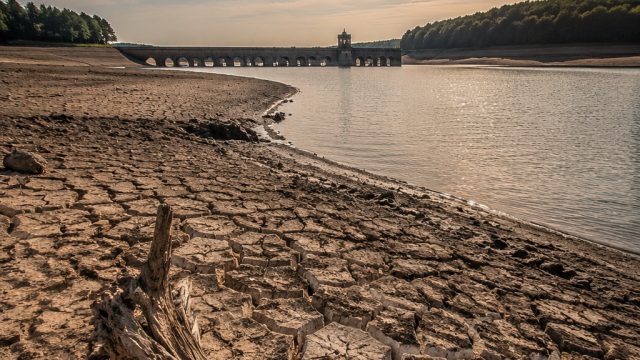
The Heatwave Crisis: Safeguarding Britain's Landscapes
This week, the UK has found itself in the grip of an intense heatwave, with temperatures soaring to unprecedented levels. As millions of citizens experience blistering conditions, the pressure on the nation’s landscapes and ecosystems is becoming increasingly apparent. With the Met Office predicting record-breaking temperatures, urgent discussions are necessary around how to protect our green spaces and manage the effects of climate change.
The Current Situation: A Nation Under Heat
The current heatwave is not just a temporary spike in temperatures; it reflects a growing trend of extreme weather events exacerbated by climate change. Reports indicate that parts of southern England and Wales could see temperatures reaching as high as 39°C. This alarming forecast raises significant concerns about the resilience of the country’s infrastructure and natural landscapes.
Impact on Infrastructure
- Overheating Homes: Many residences are ill-equipped to handle such extreme temperatures, leading to uncomfortable living conditions.
- Transportation Disruptions: Rail operators have cautioned against non-essential travel, fearing that the heat could cause track failures and delays.
- Healthcare Strain: Anticipated surges in hospital admissions due to heat-related illnesses could overwhelm healthcare facilities.
Why This Matters Now
As the UK’s climate continues to change, the traditional adaptability of its ecosystems is being challenged. The Climate Change Committee's recent findings encapsulate the urgent need for action: "The UK is built for a climate that no longer exists." This statement underlines the necessity for proactive strategies to safeguard our landscapes and manage the emerging threats posed by climate change.
Strategies for Landscape Protection
To address these pressing challenges, various strategies can be implemented to protect both the environment and public safety. Here are some key approaches that can contribute to more sustainable landscape management amid increasing heat:
1. Urban Greening Initiatives
Increasing green spaces in urban areas can significantly mitigate heat effects. Here are a few ways to implement this:
- Planting trees to provide shade and improve air quality.
- Creating community gardens that promote biodiversity.
- Incorporating green roofs and walls to lower urban temperatures.
2. Sustainable Water Management
Water resources are vital during heatwaves. The following strategies can enhance water sustainability:
- Implementing rainwater harvesting systems to alleviate pressure on supply.
- Utilizing drought-resistant landscaping to conserve water.
- Engaging in proper irrigation techniques to prevent water loss.
3. Community Engagement and Education
Informing the public about the importance of protecting landscapes is essential. Suggestions include:
- Running workshops focused on sustainable practices and climate awareness.
- Establishing local groups for monitoring and maintaining community green spaces.
- Promoting volunteer programs for environmental restoration.
Conclusion: A Call to Action
The intensity of the current heatwave serves as a wake-up call for the UK. It is crucial for citizens, businesses, and policymakers to come together in addressing these challenges head-on. Investing in sustainable practices, enhancing community resilience, and committing to environmental stewardship are essential steps in protecting Britain’s landscapes for future generations.
As the climate continues to evolve, so must our approaches to managing and safeguarding our treasured natural resources. The time for action is now, and by working collectively, we can ensure that the UK remains a green and pleasant land, even in the face of unprecedented heat.
