
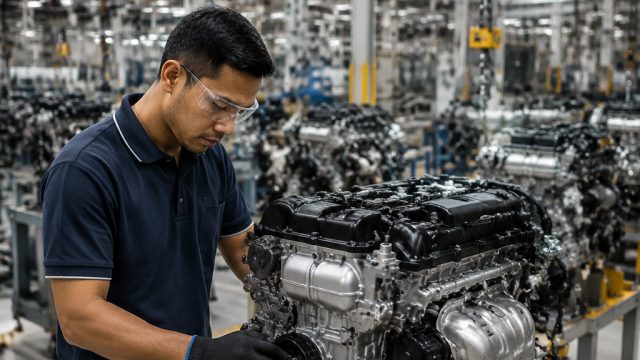
In a significant move to bolster the automotive manufacturing sector, Proton has announced plans to increase the production capacity of its Tg Malim engine plant from 240,000 to 400,000 units by 2028. This strategic expansion comes as the company responds to an uptick in local demand and a growing export market. Given the rapidly changing automotive landscape, this decision underscores Proton's commitment to enhancing its operational capabilities.
The Need for Increased Capacity
Proton's decision to augment its engine plant's capacity is a proactive measure to address both domestic and international market needs. As the demands for efficient and advanced automotive engines rise, Proton aims to position itself as a key player in the global automotive arena.
Understanding the Market Trends
- Local Demand: With more consumers choosing vehicles that offer better performance and efficiency, there is an increased need for high-quality engine production.
- Export Opportunities: The expansion will allow Proton to tap into burgeoning markets that are eager for reliable and innovative automotive solutions.
- Technological Advancements: As automotive technology evolves, the plant will be equipped to produce engines that meet the latest industry standards.
Implications for the Automotive Industry
This expansion is more than just a response to demand; it signals a transformative phase for Proton and the Malaysian automotive sector. By enhancing capacity, Proton is set to:
Strengthen Local Manufacturing
Investing in local manufacturing not only boosts job opportunities but also supports the economy. A larger production capacity will allow Proton to become less reliant on imports while fostering local suppliers.
Enhance Export Competitiveness
The automotive export market is an area of significant growth potential. By increasing engine production, Proton can supply a wider array of models internationally, which is essential for international competitiveness.
Future of Proton's Engine Plant
As we move towards 2028, the enhancements to the Tg Malim engine plant are expected to be accompanied by advancements in technology and operational efficiency. Proton's commitment to sustainability and innovation will likely play a pivotal role in this process.
Investing in Innovation
With the expansion, Proton is expected to invest in modernizing its manufacturing processes. This move will not only improve production efficiency but also align with global trends towards greener and more sustainable automotive technologies.
Collaboration and Partnerships
To maximize the benefits of this expansion, Proton may seek collaborations with tech firms and research institutions. Strategic partnerships could facilitate the development of next-generation engines that cater to evolving consumer preferences.
Conclusion
Proton's initiative to increase the capacity of its Tg Malim engine plant signifies a robust response to market demands and sets the stage for future growth. By focusing on production efficiency and technological advancement, Proton aims to solidify its position in both the domestic and international automotive markets. As this transformation unfolds, it emphasizes the importance of adaptability and innovation in a competitive industry landscape.
