
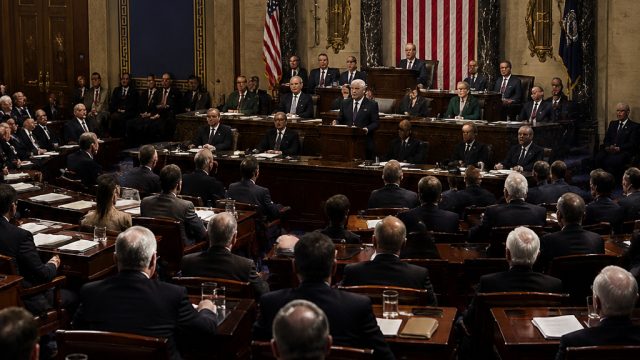
In a significant political move, the U.S. Senate has voted to restrict President Trump's ability to engage in military actions against Iran without congressional approval. This decision comes at a time when global tensions are running high, emphasizing the importance of checks and balances in U.S. governance. As the situation in Iran continues to evolve, this legislative action raises critical questions about the future of U.S. military intervention abroad.
The Vote That Shook Washington
On [insert date], the Senate passed a resolution aimed at curbing the President's war powers concerning Iran, reflecting bipartisan concerns over unchecked military engagement. This rare rebuke of the executive branch signals a shift in how lawmakers perceive the balance of power, particularly in matters of foreign policy and national security.
Breaking Down the Resolution
- Context: As tensions with Iran escalated over recent months, fears of an extended conflict have led lawmakers to take action.
- Bipartisan Support: The resolution received support from both Democratic and Republican senators, indicating a growing consensus on the need for legislative oversight.
- Implications for Military Engagement: This legislation requires any military action against Iran to receive congressional approval, aiming to prevent unilateral escalation.
Why This Matters Now
The Senate's decision comes amid a backdrop of heightened geopolitical instability, with various factions vying for influence in the Middle East. As the Biden administration navigates the complexities of international relations, this move could significantly impact diplomatic strategies moving forward.
Potential Consequences
- Increased Diplomatic Pressure: By limiting executive war powers, the Senate may encourage more diplomatic solutions rather than military ones.
- International Reactions: Other nations may perceive this decision as a sign of U.S. internal divisions, potentially altering their approach to negotiations.
- Future Engagements: This could set a precedent for congressional involvement in future military engagements, reshaping the role of Congress in foreign affairs.
The Broader Political Landscape
As the U.S. grapples with its position on the global stage, the implications of this Senate vote extend beyond Iran. The decision reflects a growing wariness among lawmakers about the repercussions of unilateral military actions.
Shifts in Public Opinion
Public sentiment is increasingly concerned about military conflicts abroad. Polls indicate that many Americans prefer diplomatic approaches rather than military interventions. As the Senate responds to these concerns, it may influence how future administrations handle foreign policy.
Looking Ahead
With the Senate taking such a definitive stance, the Biden administration must tread carefully in its dealings with Iran and beyond. The ongoing dialogue between Congress and the Executive branch will be crucial as the U.S. seeks to balance military readiness with the desire for peace.
Conclusion
The Senate's recent vote is more than just a political maneuver; it represents a pivotal moment in American governance. As we witness these developments, it is essential to stay informed about how they might affect not only U.S.-Iran relations but the broader geopolitical landscape. The emphasis on congressional oversight may herald a new era of U.S. foreign policy, one that prioritizes diplomacy and cooperation over conflict.
