
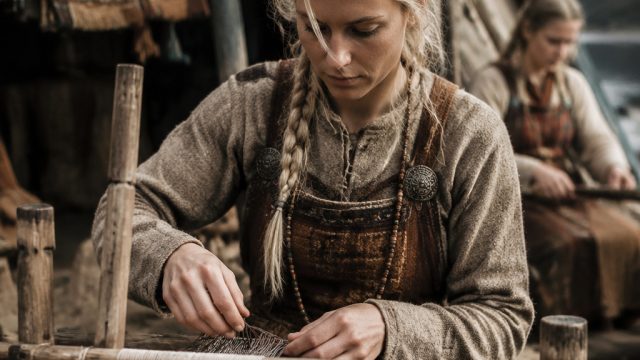
In a remarkable archaeological find, researchers have uncovered an extensive Viking textile production site in Denmark, offering new perspectives on the craftsmanship and lifestyle of the Norse people. This discovery carries profound implications not just for historians, but for all those interested in the evolution of textile arts and their socio-economic impacts.
The Unearthing of History
The site, located near the town of Højbjerg, was unearthed during a routine excavation ahead of planned construction activities. What began as a simple dig quickly transformed into a treasure trove of artifacts, revealing large-scale textile production that dates back over a thousand years.
A Glimpse into Viking Life
Archaeologists discovered remnants of looms, spindle whorls, and vast amounts of woven fabric, indicating that this was once a bustling center for textile creation in the Viking Age. The scale of production suggests that textiles were not only crucial for clothing but also played a significant role in trade and economy.
- Large-scale Looms: Evidence of several loom structures indicates a highly organized textile operation.
- Rich Fabric Samples: Numerous fabric remnants point to a variety of weaving techniques and dyeing methods.
- Trade Connections: Findings suggest that the textiles produced here may have been traded across Scandinavia and beyond.
The Importance of Textiles in Viking Society
Textiles were vital to the daily lives of Vikings, not just for personal use but also as a means of establishing social status. The findings from Højbjerg highlight the role of textile craftsmanship in the broader economic framework of Viking communities.
Textiles as a Trade Commodity
The ability to produce high-quality textiles allowed Viking communities to engage in trade with various cultures, extending from the British Isles to the Mediterranean. This trade was not only economic but also cultural, facilitating exchanges that shaped societal developments.
Key Trade Routes Influenced by Textiles:
- The Silk Road, where high-quality fabrics were exchanged.
- Trade with the Byzantines, who sought exquisite textiles.
- Connections with the Celtic tribes, fostering cultural exchange.
Implications for Modern Society
Understanding the significance of textiles in Viking society provides valuable insights into how ancient craftsmanship influences contemporary practices. Modern textile artists and craftsmen can draw inspiration from these methods as they explore sustainable and traditional approaches to fabric production.
Lessons for Today's Textile Industry
The findings emphasize the importance of sustainability in textile production, an increasingly relevant topic in today's world. By studying ancient methods, modern artisans can create fabrics that honor traditional practices while promoting eco-friendly techniques.
- Sustainable Sourcing: Drawing from natural dyes and materials as used by Vikings.
- Traditional Weaving Techniques: Reviving age-old methods can contribute to modern craftsmanship.
- Community Engagement: Fostering a cooperative spirit reminiscent of Viking textile workshops.
Conclusion: A Bridge Between Past and Present
The discovery of the Viking textile production site in Denmark is not just an archaeological find; it serves as a bridge connecting us to our ancestral crafts and economies. As we delve deeper into this site’s history, we can appreciate the rich tapestry of human ingenuity that transcends time and shapes our current and future practices. This significant discovery invites us all to reflect on our relationship with textiles and the stories they tell through the ages.
