
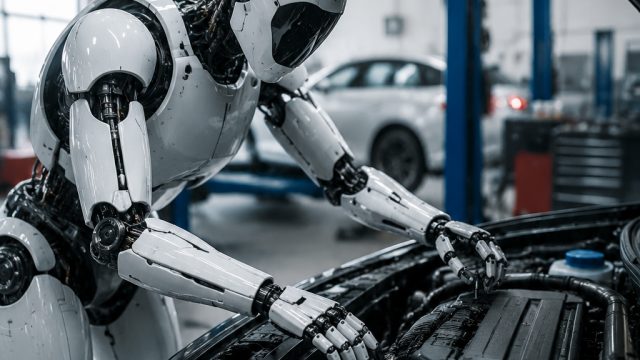
As the world increasingly embraces advanced technology, the humanoid robot market is gaining significant traction, spurred by innovations in artificial intelligence and robotics. Analysts project this market could reach an astonishing $5 trillion within the next decade. This promising outlook raises critical questions regarding how industries will adapt and capitalize on this evolving landscape.
The Current State of Humanoid Robots
The current advancements in humanoid robotics are not just about creating machines that can mimic human actions but also about improving their functionality in various sectors such as healthcare, manufacturing, and service industries. With companies striving to enhance the capabilities of robots, we are witnessing an unprecedented surge in demand.
Technological Innovations Driving Growth
- Artificial Intelligence: Enhanced algorithms are enabling humanoid robots to process information and adapt to their environments effectively.
- Machine Learning: These robots are now capable of learning from interactions, improving efficiency over time.
- Advanced Sensors: Robots are equipped with sophisticated sensors that allow for better navigation and object recognition.
Innovation is not just confined to the robots themselves; it extends to the infrastructure and software that support them, further fueling growth in this sector.
Market Potential and Investment Opportunities
The investment potential in humanoid robots is immense. With applications across diverse fields, businesses are increasingly viewing humanoid robots as viable solutions to streamline operations and reduce labor costs. Industries like logistics and customer service are capitalizing on humanoid technology, showcasing its ability to enhance productivity.
Key Areas of Investment
- Healthcare: Humanoid robots are being developed for patient care, offering assistance in rehabilitation and elderly support.
- Manufacturing: Robotics in manufacturing can lead to safer environments and more efficient production lines.
- Entertainment: Humanoid robots are also making their way into entertainment, providing interactive experiences in gaming and theme parks.
These sectors are proving to be ripe for investment, attracting venture capitalists and established companies looking to diversify their portfolios.
Challenges and Concerns in Value-Capture
Despite the optimistic projections, the journey toward fully integrated humanoid robots is not without challenges. One significant concern is the difficulty in capturing the full economic value from these technologies. As companies invest heavily in R&D, the question remains on how to monetize these innovations effectively.
Strategies for Overcoming Challenges
- Focus on Integration: Companies must prioritize the smooth integration of humanoid robots into existing systems.
- Emphasize Training: Ensuring that human workers are trained to work alongside robots can lead to better outcomes.
- Leverage Data: Utilizing the data generated by humanoid interactions can provide insights that improve products and services.
Overcoming these challenges will be critical for businesses to realize the full potential of humanoid robotics in their operations.
The Future Outlook: Why This Matters Now
The humanoid robot market is at a transformative juncture, and its growth is not just a technological advancement; it represents a fundamental shift in how we interact with machines. As society faces labor shortages and seeks efficient solutions, the urgency to invest in humanoid robotics becomes evident. Companies that strategically position themselves in this market stand to gain immensely in the coming years.
Final Thoughts
Embracing humanoid robots may hold the key to navigating future challenges in various sectors. As they evolve, so too will the opportunities they present. The next decade promises to be an exciting period for both technology enthusiasts and investors as they watch this groundbreaking market unfold.
