
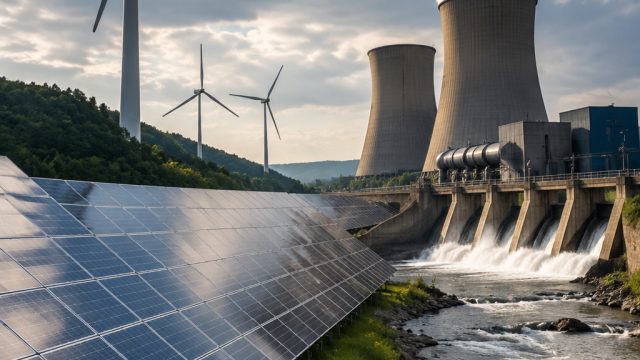
The United Kingdom is at a pivotal moment in its energy journey, facing a unique blend of opportunities and challenges as it strives for a greener future. While the government has laid out ambitious plans to transition towards renewable energy, an alarming reality surfaces: the nation has not only an ambition problem, but more critically, a delivery problem. Understanding the nuances of this energy shift is essential now more than ever, especially as the world grapples with the pressing climate crisis.
Understanding the Energy Transition Landscape
As we move deeper into the 21st century, the urgent need for sustainable energy solutions is clearer than ever. The UK aims to achieve net-zero greenhouse gas emissions by 2050. However, translating this ambitious goal into actionable results requires critical evaluation of existing energy infrastructure and innovative approaches to energy management.
Current State of Renewable Energy in the UK
In 2020, the UK made significant strides in renewable energy production, particularly with wind and solar power. However, the reliance on fossil fuels still casts a long shadow over this progress. The government has implemented various policies aimed at increasing renewable energy usage, yet the pace of transition has not met projected timelines. The demand for a cohesive strategy that prioritizes innovative energy delivery mechanisms is growing.
Identifying the Key Delivery Challenges
To address the energy transition effectively, we must first dissect the primary challenges that hinder progress:
- Infrastructure Limitations: Current energy infrastructure often lacks the capacity to support increased renewable energy generation.
- Policy Gaps: Inconsistencies in government policies can lead to uncertainty in investment, affecting the development of new technologies.
- Public Awareness and Engagement: A general lack of understanding about the benefits of renewable energy can stall community support.
- Technological Barriers: While innovations like the latest solar panels and wind turbines are available, their implementation remains slow due to logistics and costs.
Engaging Stakeholders for Effective Solutions
Addressing these challenges necessitates the involvement of various stakeholders. Collaboration between government entities, private sectors, and local communities is vital. Initiatives can be more effective when there’s a collective understanding of the benefits and necessity of the transition.
Local authorities must foster open dialogues with constituents about energy options. Increased transparency can enhance public buy-in, encouraging more citizens to embrace renewable technologies and solutions.
Innovative Strategies to Propel the Transition
To overcome delivery barriers, the UK can consider several strategic approaches:
- Investment in Smart Grids: Upgrading the current energy grid to a smart grid can enhance the distribution and efficiency of renewable energy sources.
- Incentivizing Renewable Projects: Financial incentives for businesses and homeowners who invest in renewable energy can stimulate higher adoption rates.
- Enhancing Research and Development: Funding for innovative energy technologies can lead to breakthroughs that make sustainable energy more accessible and cost-effective.
- Community-Based Initiatives: Empowering local communities to develop their renewable energy projects fosters a stronger sense of ownership and commitment.
Highlighting Successful Case Studies
Several communities across the UK have set exemplary models for successful energy transitions, showcasing the effectiveness of local initiatives. For example, regions that have implemented community solar projects have seen increased engagement and energy independence. By sharing these success stories, other regions can learn from their strategies and replicate their successes.
Conclusion: The Road Ahead
The UK's goal for a sustainable energy future hinges not only on the aspirations of policymakers but also on the collective effort of all stakeholders involved. Recognizing the delivery challenges and addressing them with innovative strategies and community engagement is essential for the success of this transition. The path forward is complex but by working together, the UK can turn its ambitious energy goals into reality, ensuring a sustainable environment for future generations.
