
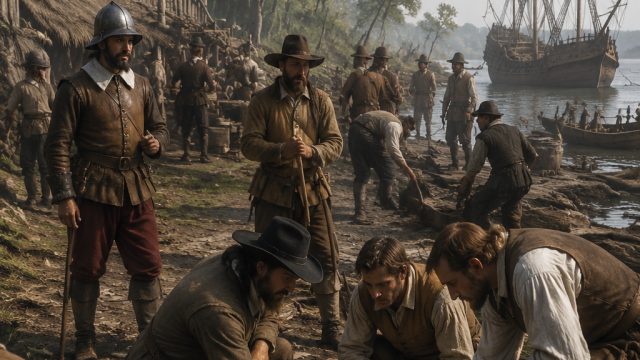
The decade from 1600 to 1609 stands as a pivotal moment in American history, marking the establishment of the first permanent English settlement in what would become the United States. Jamestown, located in Virginia, was not just a settlement; it was an experiment in survival, laden with conflict and adaptation. Understanding this period is crucial, as it laid the groundwork for the cultural and political fabric of the nation that would follow.
The Establishment of Jamestown
In 1607, a group of English settlers, driven by the promise of wealth and new opportunities, established Jamestown. It was named after King James I of England and was sponsored by the Virginia Company. The initial hope was high, but the reality of the New World soon presented daunting challenges.
Initial Challenges
- Hostile Environment: The settlers faced immediate hostility from the indigenous Powhatan Confederacy, which led to conflicts over resources.
- Harsh Conditions: Poor planning and lack of adequate supplies resulted in food shortages, disease, and discontent among the settlers.
- Leadership Struggles: The colony struggled with ineffective leadership, leading to a lack of cohesion and direction.
Survival Strategies and Adaptation
As the settlers confronted these challenges, they needed to adapt to survive. Key strategies emerged that would influence the colony's future.
Building Relationships
One of the most significant shifts in Jamestown's survival was the development of relationships with local tribes, particularly the Powhatan. Initial conflicts eventually gave way to trade and cooperation, which were crucial for securing food and resources.
Agricultural Innovations
The settlers quickly recognized that sustainable agriculture was essential for long-term survival. They began to cultivate tobacco, which not only provided sustenance but also became a lucrative cash crop that would later drive the economy of the colony.
Lessons from Jamestown's Trials
The decade of 1600-1609 was critical in teaching future settlers essential lessons about resilience and community. The struggles faced by the Jamestown settlers shaped the narrative of American perseverance and determination.
Community and Governance
The establishment of a governing body, the House of Burgesses in 1619, laid the foundation for self-governance, emphasizing the importance of communal decision-making in times of crisis.
Legacy of Jamestown
Despite its early hardships, Jamestown became a symbol of hope and resilience for future generations. The lessons learned in survival, adaptation, and community governance resonate throughout American history.
Conclusion
The founding of Jamestown serves as a reminder of the complex and often tumultuous journey that shaped the United States. The decade from 1600 to 1609 was marked by significant challenges that tested the resolve of early settlers. Their struggles not only forged a path for future colonies but also instilled a spirit of endurance and innovation that would characterize the American experience. Understanding this history is critical, as it informs our understanding of the nation's values and the ongoing quest for survival in the face of adversity.
